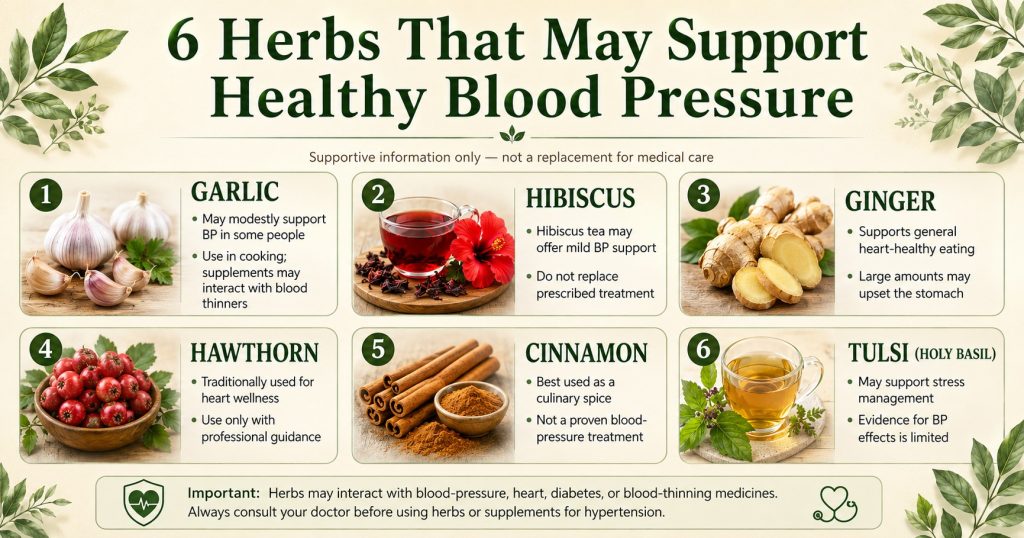
Hibiscus is a bright red flower whose dried calyces are brewed into a tart, cranberry like tea. The type used in most research is Hibiscus sabdariffa, also called roselle. People drink hibiscus tea or take the extract mainly for blood pressure and heart health. This guide covers what the science actually shows, the right amount to use, and who should be careful, including an important pregnancy warning that many pages leave out.
What Hibiscus Is and How It Works
Hibiscus sabdariffa is a tropical plant whose deep red flower parts are packed with anthocyanins and other polyphenols. These are the same antioxidant pigments found in berries. They give hibiscus its color, its sharp flavor, and most of its health effects.
Researchers believe hibiscus lowers blood pressure by relaxing blood vessels and acting as a mild natural diuretic. The tea contains no caffeine, so it does not carry the stimulant effects of green or black tea.
Benefits of Hibiscus
Lowers Blood Pressure
This is hibiscus strongest and best proven benefit. Several clinical trials and pooled analyses show that hibiscus tea lowers both the top and bottom blood pressure numbers, with the clearest effect in people who already have high or borderline blood pressure. One study even compared it with a prescription blood pressure drug and found a useful, if smaller, effect. It supports healthy blood pressure, but it is not a replacement for prescribed medicine.
May Improve Cholesterol and Blood Sugar
Some studies report that hibiscus lowers LDL cholesterol and total cholesterol, though the overall evidence is mixed and not yet conclusive. A few small trials also found modest drops in fasting blood sugar. Think of these as possible bonus effects rather than reliable ones.
Rich in Antioxidants
The anthocyanins in hibiscus are powerful antioxidants. By lowering oxidative stress, they may protect cells and support heart and liver health. This antioxidant action likely drives several of the other benefits.
What About Skin, Hair, and Weight Loss?
Many pages promise glowing skin, thicker hair, and fast fat loss from hibiscus. Here is the honest picture. The hair and skin claims mostly come from a different species, Hibiscus rosa-sinensis, or from cosmetic use, not from drinking roselle tea. A handful of small studies hint at modest weight and belly fat reduction with hibiscus extract, but the effect is small. Do not expect dramatic changes.
Hibiscus Dosage
For tea, 1 to 3 cups a day is the usual amount used in studies, made from about 1.5 grams of dried calyces per cup. Blood pressure trials often used around two cups daily for a few weeks. For capsules or extracts, follow the label, since concentration varies widely between products. Starting with one cup a day and seeing how you feel is a sensible approach.
Side Effects of Hibiscus
Hibiscus is well tolerated for most people, but it is not free of side effects, as some sources claim. Because it lowers blood pressure, it can cause dizziness or lightheadedness, especially if your blood pressure is already low or you take blood pressure medicine. Its mild diuretic effect means you may urinate more, so stay hydrated. Some people get stomach upset. Very high doses over long periods have raised liver enzyme concerns in a few studies, so stick to normal amounts.
Drug Interactions and Precautions
Hibiscus may add to the effect of blood pressure medicine and diuretics, pushing blood pressure too low. It can lower blood sugar, so people on diabetes medication should monitor their levels. It may change how the body handles certain drugs, including the pain reliever acetaminophen and the antimalarial chloroquine, so space these apart and ask your doctor. Tell your healthcare provider you drink hibiscus if you take any regular medication.
Who Should Avoid Hibiscus
Pregnant and breastfeeding women should avoid hibiscus. It may have hormone like effects and has been linked in animal studies to effects on the uterus and reproduction, so it is best left alone during pregnancy. People with naturally low blood pressure should be cautious because of the added drop. Anyone scheduled for surgery should stop it beforehand, and people on blood pressure, diabetes, or antimalarial medicines should check with a doctor first.
What is hibiscus good for?
The best proven benefit is lowering high blood pressure. It also provides antioxidants and may help cholesterol and blood sugar modestly. The strongest evidence is for Hibiscus sabdariffa, or roselle.
How much hibiscus tea should I drink a day?
Most studies used 1 to 3 cups a day, made from about 1.5 grams of dried calyces per cup. Blood pressure trials often used around two cups daily.
Can I drink hibiscus tea while pregnant?
No. Pregnant and breastfeeding women should avoid hibiscus because it may have hormone like effects and has been linked in animal studies to effects on the uterus and reproduction.
Does hibiscus lower blood pressure too much?
It can. If you already have low blood pressure or take blood pressure medicine, hibiscus may cause dizziness or lightheadedness. Check with your doctor before combining them.
Is hibiscus good for skin and hair?
The evidence is weak. Most skin and hair claims come from a different species or from cosmetic use, not from drinking roselle tea.
Final Thoughts
Hibiscus is a pleasant, caffeine free tea with one genuinely well supported benefit, lowering high blood pressure. The antioxidant, cholesterol, and blood sugar effects are smaller and less certain, and the skin and hair claims are largely unproven for roselle. Stick to 1 to 3 cups a day, skip it during pregnancy, and check with your doctor if you take blood pressure or diabetes medicine. Enjoyed sensibly, it is a tasty addition to a heart friendly routine.
Sources
- Hopkins AL, et al. Hibiscus sabdariffa and hypertension: a review. PMC.
- What are the benefits of hibiscus tea? Medical News Today.
- McKay DL, et al. Hibiscus sabdariffa tea lowers blood pressure in prehypertensive and mildly hypertensive adults. J Nutr.
- Hibiscus safety and use in pregnancy. Drugs and Lactation Database (LactMed), NIH.
Mezbaul Islam, MSc Nutrition is the founder of Simple Health Naturally and writes evidence based guides on nutrition and everyday wellness.
Dr. Obeydur Rahman, MBBS, MD in Medicine reviews the site health content for medical accuracy.
Edited by Dr. Obeydur Rahman, MBBS, MD in Medicine.