Some foods that support healthy circulation have real randomised trial evidence attached, with measurable effects on blood pressure and blood vessel function. Most of the ones on typical lists have none. Beetroot juice lowered systolic blood pressure by 5.31 mmHg in a 2024 meta analysis. Ginger, turmeric and green tea, which appear on nearly every circulation list, have nothing comparable. So these twelve are graded by evidence, with the numbers shown.
Short answer: Nitrate rich vegetables and cocoa flavanols have the strongest data. Beetroot cut systolic pressure by about 5 mmHg, and cocoa flavanols improved artery widening by 2 to 3 percent. Garlic looks impressive at 8.3 mmHg but that figure comes from supplements, not a clove in your cooking. Everything else on this page is good food without circulation specific evidence.
What Circulation Research Actually Measures
Worth knowing before you read any numbers, because it changes how much they mean.
Trials in this area measure two things. Blood pressure, in mmHg, and flow mediated dilation, which is how much an artery widens when blood flow increases, reported as a percentage. Both are surrogate markers. They are genuine and they predict outcomes, but they are not the same as the warm hands and better leg circulation people usually have in mind when they search this.
No food unblocks an artery, dissolves a clot or treats peripheral artery disease. If your circulation symptoms are real and localised, that is a medical problem, and the red flags are at the end of this page.
12 Foods That Support Healthy Circulation, Graded
Tier one: measurable effects in randomised trials
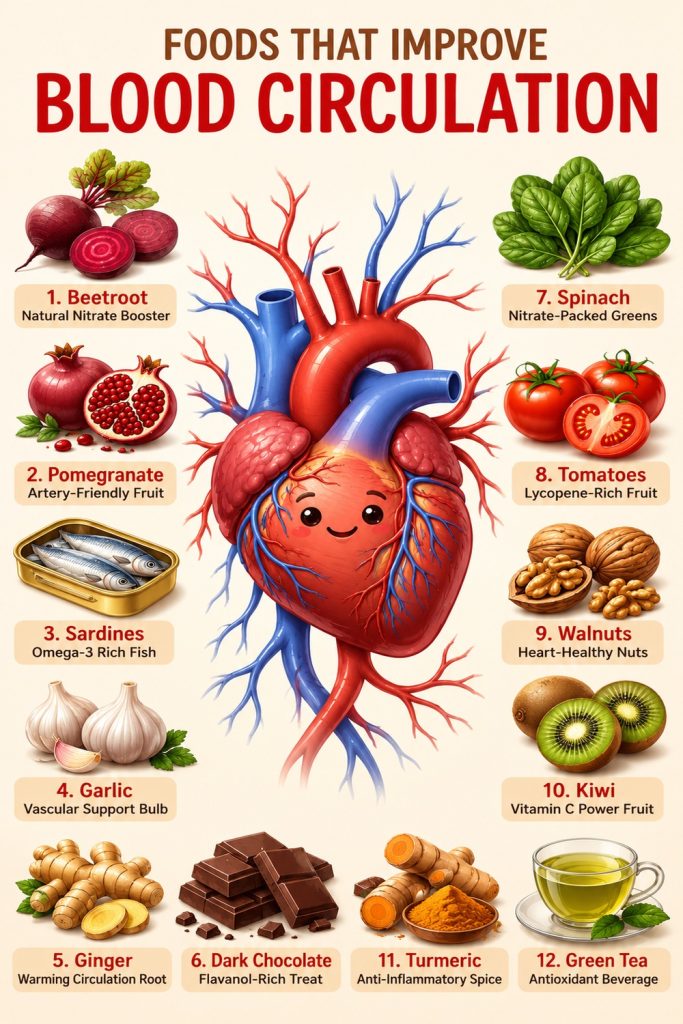
- 1. Beetroot. The best evidenced item here. A 2024 meta analysis of 11 trials in 349 people with hypertension found beetroot juice lowered clinical systolic pressure by 5.31 mmHg against placebo. An earlier pooling of 22 trials found 3.55 mmHg systolic and 1.32 mmHg diastolic. Effective doses ran 200 to 800 mg of nitrate a day, with no tolerance developing. Certainty was graded low, so treat it as promising rather than settled.
- 2. Spinach, rocket and leafy greens. The same mechanism without the juice. Dietary nitrate converts to nitric oxide, which relaxes blood vessels. Rocket is the highest nitrate vegetable there is, spinach second. If you take warfarin, keep intake steady rather than swinging.
- 3. Cocoa flavanols. Genuinely studied, with an important catch. Dose response meta analysis shows artery widening improved by 3.19 percent acutely and 1.34 percent with chronic intake, and dark chocolate specifically by about 2 percent. Trial doses ran 80 to 1248 mg of flavanols, averaging 704 mg. The catch is a non linear inverted U dose response, meaning more is not better past a point, and a chocolate bar carries sugar and saturated fat the trials did not.
- 4. Oily fish. Sardines, salmon, mackerel and herring. The American Heart Association recommends two servings a week. This works through the wider cardiovascular pattern rather than by widening vessels directly, and tinned counts.
Tier two: real data, but read the fine print
- 5. Garlic. The headline number is the largest on this page and also the most misleading. A meta analysis of 12 trials in 553 people with hypertension found systolic pressure down 8.3 mmHg and diastolic down 5.5 mmHg, with aged garlic extract outperforming powder and oil. But every one of those trials used a supplement. There is no evidence that a clove in your dinner does the same thing. Garlic supplements can also increase bleeding risk and interact with anticoagulants, so they are a medicine decision, not a food one.
- 6. Pomegranate. Reviews suggest possible improvements in blood pressure and vascular markers, but the trials used different products, doses and populations, which makes pooling unreliable. Eat the seeds, skip the concentrated juices and extracts.
- 7. Walnuts. An ounce is 185 calories and the main plant source of alpha linolenic acid. The mechanism that matters is replacement: swapping saturated fat for unsaturated fat lowers LDL cholesterol, which is a vascular benefit even if it is not a circulation one.
Tier three: good food, no circulation evidence
These belong in your diet. They do not belong in a circulation article making claims, and saying so is more useful than pretending otherwise.
- 8. Tomatoes. Lycopene, potassium and vitamin C, and lycopene absorbs better cooked with a little oil. Supports diet quality rather than blood flow specifically.
- 9. Kiwi. Vitamin C is needed to make collagen, which is a structural component of blood vessel walls. That is a real biochemical fact and it is not evidence that eating kiwi improves circulation.
- 10. Ginger. Marketed relentlessly as a circulation booster. The research base is largely about nausea. Use it for flavour.
- 11. Turmeric. Evidence remains uncertain for most promoted uses, and enhanced absorption curcumin products have been linked to liver injury. A spice, not a treatment.
- 12. Green tea. Possible small effects on some cardiovascular risk factors, not enough to call it a treatment. Worth drinking instead of sweetened drinks. Note that concentrated extract is a recognised cause of liver injury and can reduce the effectiveness of nadolol.
Several of these overlap with our guides to the best vegetables to eat regularly and foods for heart, liver, brain and gut health, which is expected, since vascular health is the common thread.
What Moves the Needle More Than Food
Keeping the 5 mmHg from beetroot in proportion: several non food changes do considerably more.
- Stopping smoking. Nothing on this page competes with this for vascular health. Nicotine constricts blood vessels directly.
- Regular activity. Particularly walking for anyone with leg symptoms, where supervised exercise programmes are a first line treatment for claudication rather than an afterthought.
- Reducing sodium. A larger blood pressure lever than any food on this list for most people.
- Treating blood pressure, cholesterol and diabetes. Prescribed medicines outperform every dietary intervention here by a wide margin.
- Breaking up long sitting. Free, and directly relevant to venous return in the legs.
When Circulation Symptoms Need a Doctor
This is the part of the page that matters most, because the symptoms below are not dietary problems.
- Leg pain or cramping that starts when you walk and stops when you rest. This pattern, called claudication, is characteristic of peripheral artery disease and warrants assessment rather than dietary experimentation.
- Coldness, numbness or colour change in one foot or leg rather than both.
- Sores on the feet or legs that heal slowly or not at all.
- Leg pain at rest, particularly at night, which can indicate advanced arterial disease.
Seek emergency care for a painful, swollen, warm leg, which may be a clot, and for chest pain, sudden breathlessness, or sudden face drooping, arm weakness or speech difficulty, which may be a heart attack or stroke.
One theme runs through this whole topic: symptoms confined to one limb are far more concerning than a general sense of poor circulation, and they need a diagnosis rather than a diet.
Frequently Asked Questions
What food is best for blood circulation?
Beetroot has the strongest trial evidence. A 2024 meta analysis of 11 trials in 349 people with hypertension found beetroot juice lowered clinical systolic blood pressure by 5.31 mmHg against placebo, at doses of 200 to 800 mg of nitrate a day, with no tolerance developing. Certainty was graded low, so it is promising rather than settled. Other nitrate rich vegetables such as rocket and spinach work by the same mechanism.
Does dark chocolate really improve circulation?
Cocoa flavanols do improve artery widening in trials, by about 3.19 percent acutely and 1.34 percent with regular intake, with dark chocolate specifically improving flow mediated dilation by around 2 percent. Two caveats matter. The dose response is an inverted U, so more is not better past a point. And trial doses averaged 704 mg of flavanols, whereas a chocolate bar delivers variable flavanols plus sugar and saturated fat the studies did not include.
Does garlic lower blood pressure?
Garlic supplements do. A meta analysis of 12 trials in 553 people with hypertension found systolic pressure fell 8.3 mmHg and diastolic 5.5 mmHg, with aged garlic extract outperforming powder and oil. The crucial detail is that these were supplements, not culinary garlic, and there is no evidence a clove in your cooking produces the same effect. Garlic supplements can also raise bleeding risk and interact with anticoagulants, so discuss them with a pharmacist.
Can food unblock an artery?
No. No food, drink, juice or supplement dissolves arterial plaque, clears a blockage or breaks down a clot. Diet influences the risk factors that drive vascular disease over years, principally blood pressure, cholesterol, blood glucose and weight. If you have a diagnosed blockage or symptoms suggesting one, that requires medical treatment, and dietary changes support it rather than replace it.
Do ginger and turmeric improve circulation?
There is no good evidence that they do, despite how often they appear on circulation lists. Ginger research has focused mainly on nausea, and evidence for turmeric and curcumin remains uncertain for most promoted uses. Both are worth using as flavourings, since they make food taste good without salt or sugar. Concentrated curcumin products with enhanced absorption have been linked to liver injury, so the spice and the capsule are different propositions.
How much beetroot juice would I need?
Trials used 200 to 800 mg of nitrate a day, which typically means around 250 to 500 ml of beetroot juice depending on the product, since nitrate content varies considerably between batches and brands. Whole beetroot provides fibre that juice does not. People prone to calcium oxalate kidney stones should get individual advice before taking concentrated beetroot products regularly.
What are the warning signs of poor circulation?
The most important is leg pain or cramping that begins when you walk and stops when you rest, a pattern called claudication that is characteristic of peripheral artery disease. Also concerning are coldness, numbness or colour change affecting one leg rather than both, slow healing sores on the feet, and leg pain at rest or at night. Symptoms confined to one limb are far more concerning than a general feeling of poor circulation.
When is leg swelling an emergency?
A painful, swollen, warm leg needs urgent assessment, since it may indicate a blood clot. Seek emergency care immediately for chest pain, sudden breathlessness, or sudden facial drooping, arm weakness or difficulty speaking, which may indicate a heart attack or stroke. These are not situations to research or manage with diet, and delay materially worsens outcomes.
What helps circulation more than food?
Stopping smoking, by a considerable margin, since nicotine constricts blood vessels directly. Regular walking comes next, and for people with claudication supervised exercise programmes are a first line treatment rather than an add on. Reducing sodium is a bigger blood pressure lever than any food here for most people, and prescribed medicines for blood pressure, cholesterol and diabetes outperform every dietary change on this page.
Should I take circulation supplements?
Not without professional advice. Nitrate, garlic, turmeric, green tea and ginger supplements all deliver doses far beyond food and carry real risks. Garlic can increase bleeding and interacts with anticoagulants, high dose green tea extract is a recognised cause of liver injury and reduces the effectiveness of nadolol, and some curcumin formulations have been linked to liver injury. Tell your doctor or pharmacist about anything you take.
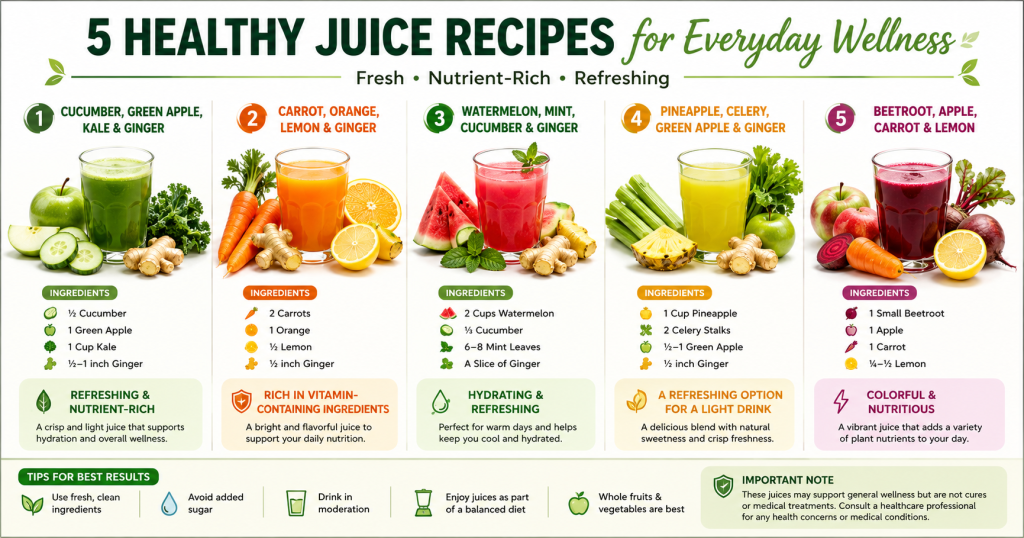
Related reading: beetroot is the best evidenced item on this list, and our 4 beetroot juice recipes cover how to get the nitrate dose the trials actually used.
Final Thoughts on Foods That Support Healthy Circulation
Grading matters more than listing. Among foods that support healthy circulation, beetroot and nitrate rich greens have real numbers behind them at about 5 mmHg off systolic pressure, and cocoa flavanols improve artery widening by 2 to 3 percent. Oily fish earns its place through the wider cardiovascular pattern. That is four of the twelve.
The garlic figure of 8.3 mmHg is the one to be careful with, because it comes from supplements rather than cooking, and those supplements interact with blood thinners. And ginger, turmeric and green tea are on this page because they are on every circulation list, not because the evidence puts them there.
Keep the scale honest too. Stopping smoking, walking regularly, cutting sodium and taking prescribed medicines all outperform every food here. And if you have leg pain when you walk that stops when you rest, or symptoms in one limb only, stop reading food articles and get it assessed.
Related reading: foods for heart, liver, brain and gut health | best vegetables to eat regularly | foods that support healthy aging | foods for blood sugar management
Medical Disclaimer
This article is for general education and does not diagnose, prevent or treat vascular disease. The effect sizes quoted come from group averages in trials and do not predict what will happen to any individual. Do not stop or adjust blood pressure, cholesterol or anticoagulant medicines based on this page. Seek individual advice before using nitrate, garlic, turmeric or green tea supplements, particularly if you take anticoagulants or antiplatelet medicines, are preparing for surgery, take warfarin, have kidney stones, or are pregnant. Leg pain on walking, symptoms in one limb, non healing sores, chest pain, sudden breathlessness or signs of stroke need medical assessment rather than dietary change. See our medical disclaimer, editorial policy and fact checking policy.
Cross checked against a 2024 systematic review and meta analysis of beetroot juice and blood pressure in hypertension, dose response meta analyses of cocoa flavanols and endothelial function, meta analyses of garlic supplementation and blood pressure, American Heart Association guidance on fish and omega 3 fats, and NCCIH assessments of turmeric, ginger and green tea. Last updated July 2026.
About the Author and Reviewer
Mezbaul Islam, MSc Nutrition owns and writes Simple Health Naturally. He researches each article from public health guidance, clinical guidelines and peer reviewed studies, and traces every figure back to a named source.
Dr. Obeydur Rahman, MBBS, MD in Medicine edits the articles, checks the sources cited and is responsible for the site’s editorial standards. MD in Medicine is the specialty for adult conditions such as liver disease, type 2 diabetes and high blood pressure.
Read more about our authors and reviewers or see our editorial policy.
Edited by Dr. Obeydur Rahman, MBBS, MD in Medicine.