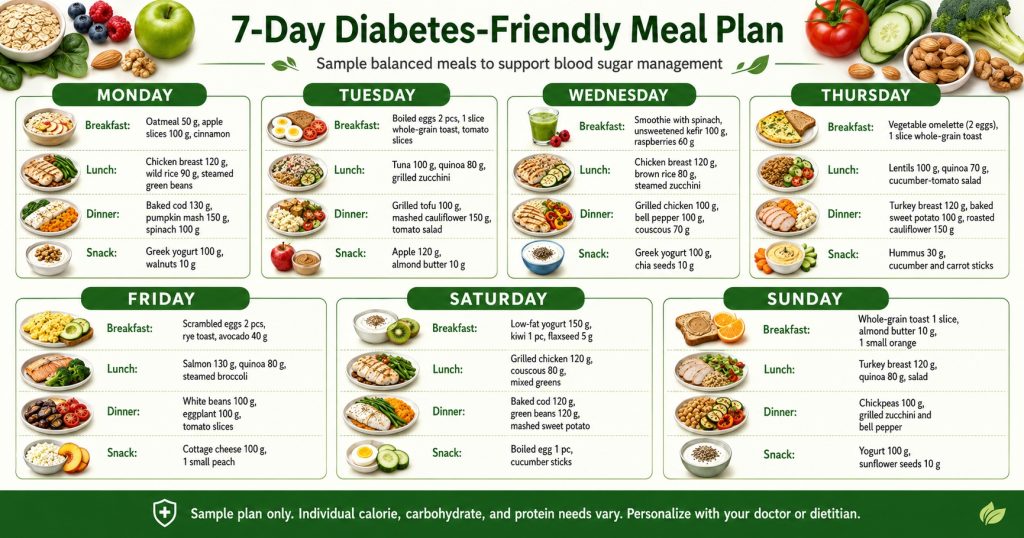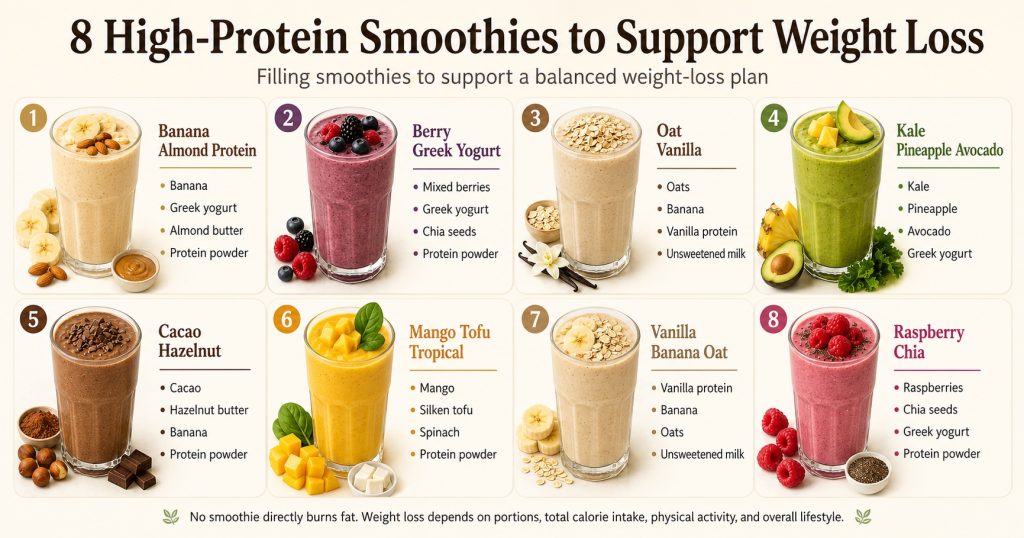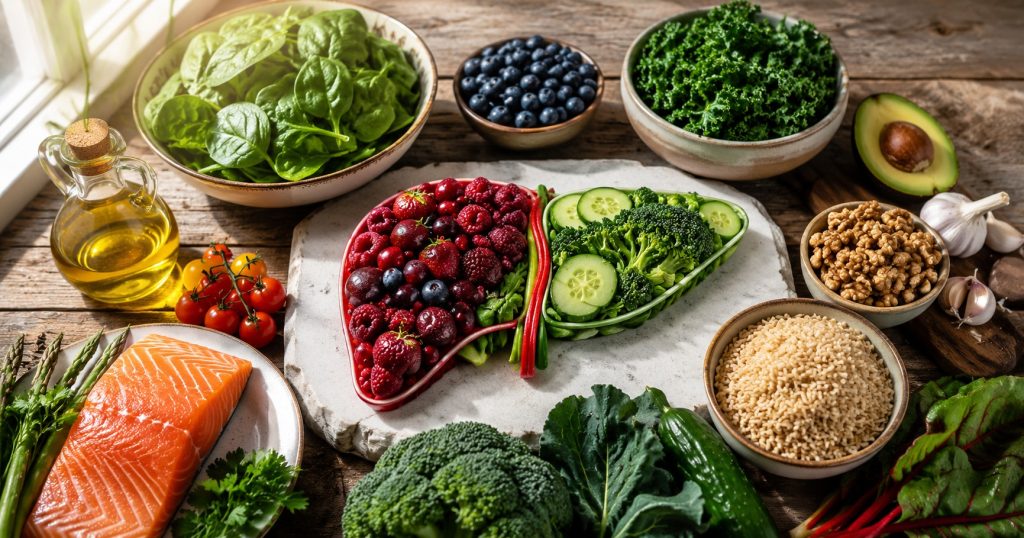
Cereal at seven leaves you raiding the snack drawer by ten. Toast and jam does the same thing. That crash has almost nothing to do with willpower and everything to do with what your breakfast lacked. The healthy breakfast recipes below all share two things that fix it.
Every recipe here delivers at least 20 grams of protein. Most bring solid fiber too. You get full ingredients, steps and numbers for each one so you can pick what fits your morning and your skill level.
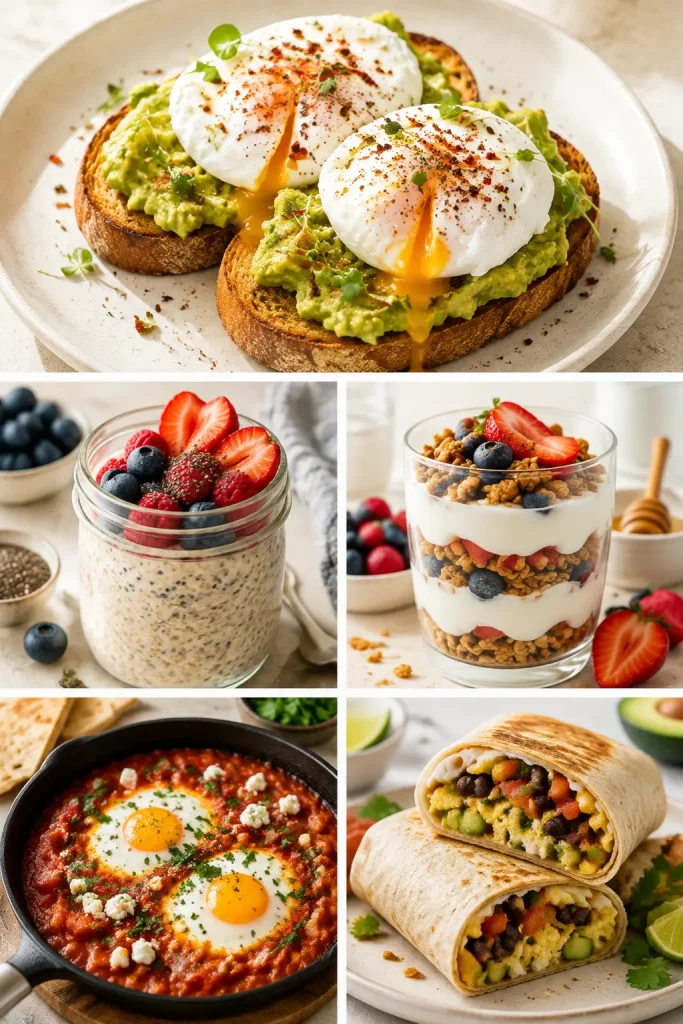
Why Some Breakfasts Keep You Full and Others Do Not
Your stomach empties at different speeds depending on what you put in it.
Refined carbs move through fast. A bagel or a bowl of sweet cereal hits your bloodstream within minutes. Blood sugar climbs, insulin rises, and then the whole thing drops. That drop feels like hunger even though you ate an hour ago.
Protein and fiber both slow that process down.
Protein triggers gut hormones that signal fullness to your brain. Your body also works harder to break protein down than it does with sugar or starch. That extra work takes time and time is exactly what you want.
Fiber adds bulk and slows stomach emptying. Soluble fiber forms a soft gel that holds water and moves through at its own pace. Oats, beans, chia seeds and apples all carry a lot of it.
Fat slows digestion more than any other nutrient. Small amounts do the job. A tablespoon of nut butter or half an avocado changes how long a meal holds you.
Put those three together and breakfast carries you to lunch without a fight.
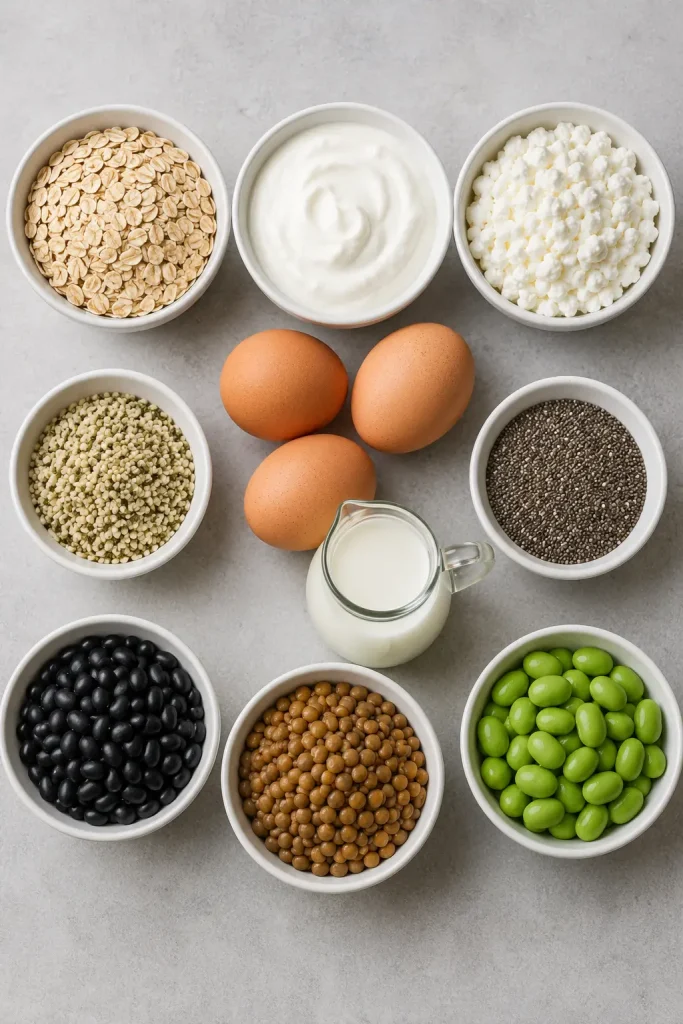
The Simple Formula Behind These Recipes
Every recipe on this list follows the same pattern.
20 grams of protein or more. Research on fullness and on muscle both point to roughly 20 to 30 grams per meal as a useful target for most adults. Spreading protein across the day beats loading it all into dinner.
Fiber wherever it fits. Adults need about 25 to 38 grams a day. Most Americans land near 15. NIH published research notes that only around 5 percent of the population hits the recommendation.
Some fat. Nuts, seeds, eggs, avocado, olive oil or full fat dairy.
Nutrition figures come from standard USDA values. Real numbers shift with brands and portion sizes so treat these as close estimates. Check any ingredient through USDA FoodData Central if you want exact values.
Each recipe below makes one serving unless the recipe says otherwise.
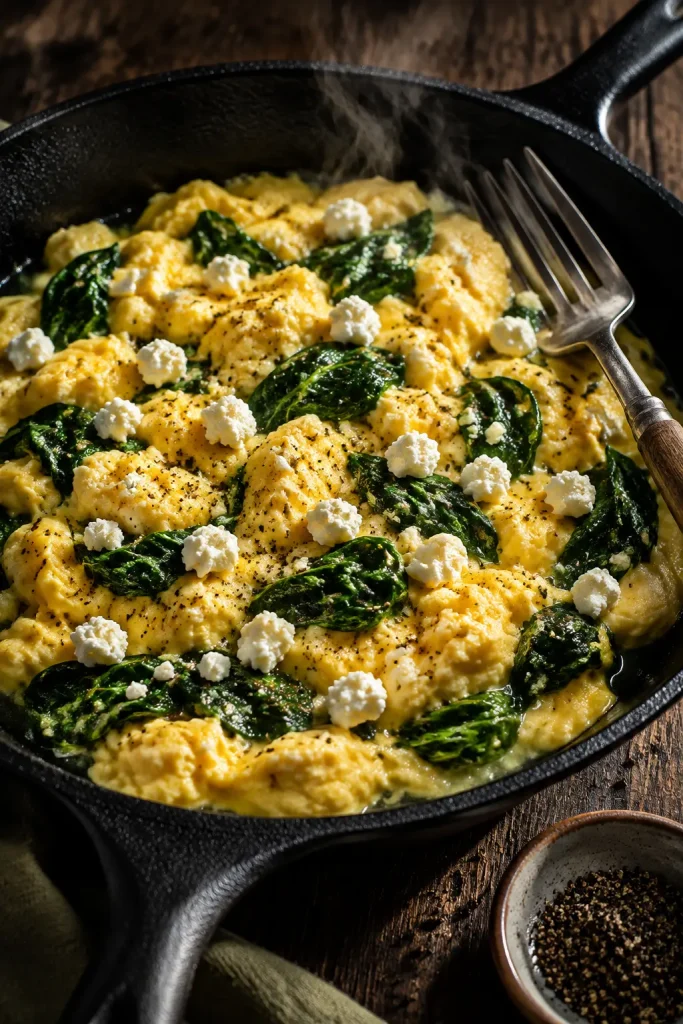
Egg Breakfasts
Eggs give you six grams of complete protein each for very little money. They also cook in minutes.
1. Spinach and Feta Scramble
Time: 8 minutes
- 3 large eggs
- 2 cups fresh spinach
- 1 oz crumbled feta
- 1 tsp olive oil
- Black pepper to taste
- Heat the olive oil in a nonstick pan over medium heat.
- Add the spinach and cook until it wilts and the water cooks off, about two minutes.
- Beat the eggs and pour them in. Stir slowly with a spatula.
- Pull the pan off the heat while the eggs still look slightly wet. Fold in the feta and pepper.
Protein: 23 g. Fiber: 2 g. Calories: about 320.
Cook the spinach first or the water it releases will make your eggs soupy. Feta brings plenty of salt so skip adding more.
2. Veggie Egg Muffins
Time: 30 minutes. Makes 12 muffins.
- 10 large eggs
- 1 bell pepper, diced small
- 1/2 onion, diced small
- 1 cup chopped spinach
- 3/4 cup shredded cheddar
- 1/4 tsp salt and black pepper
- Heat your oven to 350 F and grease a 12 cup muffin tin well.
- Whisk the eggs with the salt and pepper in a large bowl.
- Stir in the vegetables and cheese.
- Divide between the cups and bake 20 to 22 minutes until the centers set.
Protein per 3 muffins: 20 g. Fiber: 1 g. Calories: about 265.
Grease the tin more than feels necessary. Egg sticks hard. Silicone liners solve the problem completely. These keep four days in the fridge and reheat in 30 seconds.
3. Avocado Egg Toast
Time: 10 minutes
- 2 slices whole grain bread
- 1/2 avocado
- 2 large eggs
- 1/2 tsp lemon juice
- Chili flakes and black pepper
- Toast the bread.
- Mash the avocado with the lemon juice and a pinch of salt.
- Fry or poach the eggs to your liking.
- Spread the avocado on the toast, top with the eggs and finish with chili flakes.
Protein: 22 g. Fiber: 10 g. Calories: about 445.
Bread choice drives the fiber here. Real whole grain bread carries four to five times the fiber of white. Check the label for whole wheat flour as the first ingredient rather than enriched flour.
4. Black Bean Breakfast Burrito
Time: 12 minutes
- 2 large eggs
- 1/2 cup canned black beans, rinsed
- 1 large whole wheat tortilla
- 1 oz shredded cheese
- 2 tbsp salsa
- 1/4 tsp cumin
- Warm the beans in a small pan with the cumin.
- Scramble the eggs in a separate pan.
- Warm the tortilla for 20 seconds so it folds without cracking.
- Layer the eggs, beans, cheese and salsa down the middle. Fold the sides in and roll.
Protein: 31 g. Fiber: 12 g. Calories: about 505.
Highest fiber recipe on this list. Rinse the beans well to cut the sodium by about 40 percent.
5. Shakshuka with Chickpeas
Time: 20 minutes
- 1 cup canned crushed tomatoes
- 1/2 cup canned chickpeas, rinsed
- 2 large eggs
- 1 oz feta
- 2 cloves garlic, minced
- 1/2 tsp cumin
- 1/4 tsp paprika
- 1 tsp olive oil
- Heat the oil in a small skillet and cook the garlic for 30 seconds.
- Add the tomatoes, chickpeas, cumin and paprika. Simmer eight minutes until it thickens.
- Make two wells in the sauce and crack an egg into each.
- Cover and cook four to six minutes until the whites set but the yolks stay soft. Crumble feta over the top.
Protein: 23 g. Fiber: 8 g. Calories: about 400.
Make a big batch of the sauce on Sunday. The morning version then takes eight minutes instead of twenty.
6. Smoked Salmon Scramble
Time: 8 minutes
- 2 large eggs
- 2 oz smoked salmon, torn into pieces
- 1 tsp butter
- 1 tbsp chopped fresh dill
- Black pepper
- Melt the butter in a nonstick pan over low heat.
- Beat the eggs and pour them in. Stir constantly and keep the heat low.
- Take the pan off the heat while the eggs look underdone.
- Fold in the salmon and dill off the heat so the salmon stays soft.
Protein: 22 g. Fiber: 1 g. Calories: about 275.
Low and slow makes the difference with scrambled eggs. High heat gives you rubber. Smoked salmon runs high in sodium so add no salt at all.
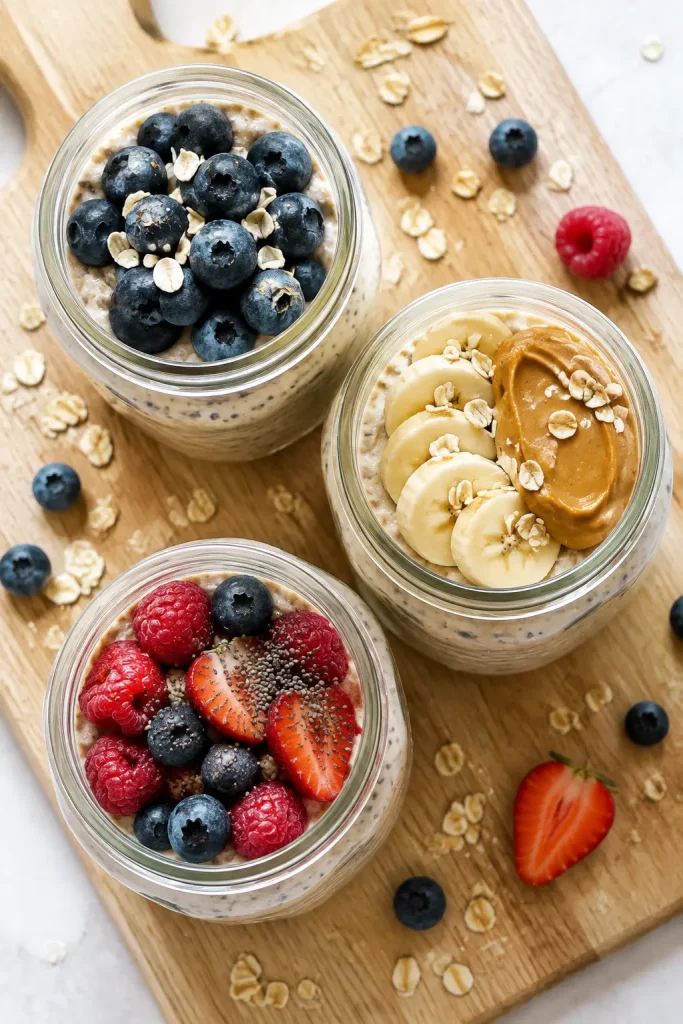
Oats and Warm Grains
Oats bring soluble fiber called beta glucan. It forms a gel in your gut and slows everything down.
7. Protein Overnight Oats
Time: 5 minutes plus overnight
- 1/2 cup rolled oats
- 1/2 cup plain Greek yogurt
- 1/2 cup milk
- 1 tbsp chia seeds
- 1/2 tsp vanilla extract
- 1/2 cup berries for topping
- Stir the oats, yogurt, milk, chia and vanilla together in a jar.
- Seal and refrigerate at least six hours.
- Top with berries in the morning. Add a splash of milk if it thickened too much.
Protein: 22 g. Fiber: 8 g. Calories: about 375.
Rolled oats work. Steel cut oats stay hard and instant oats turn to mush. Make three jars at once and they hold four days.
8. Peanut Butter Banana Oatmeal
Time: 10 minutes
- 1/2 cup rolled oats
- 1 cup milk
- 2 tbsp natural peanut butter
- 1/2 banana, sliced
- 1/4 tsp cinnamon
- Pinch of salt
- Bring the milk and salt to a gentle simmer in a small pot.
- Stir in the oats and cook five minutes on low, stirring now and then.
- Take it off the heat and stir in the peanut butter until it melts through.
- Top with the banana and cinnamon.
Protein: 21 g. Fiber: 8 g. Calories: about 500.
Milk instead of water adds eight grams of protein for zero extra work. The pinch of salt matters more than it sounds. Unsalted oatmeal tastes flat.
9. Savory Oats with a Fried Egg
Time: 12 minutes
- 1/2 cup rolled oats
- 1 cup low sodium broth
- 1 large egg
- 1 oz sharp cheddar, grated
- 1 scallion, sliced
- Hot sauce to taste
- Simmer the oats in the broth for five minutes until thick.
- Stir in the cheese until it melts.
- Fry the egg in a separate pan with a crisp edge and runny yolk.
- Slide the egg on top. Finish with scallion and hot sauce.
Protein: 24 g. Fiber: 4 g. Calories: about 360.
Savory oats sound wrong until you think of oats as a grain like rice or grits. Break the yolk and let it run through.
10. Steel Cut Oats with Cottage Cheese
Time: 25 minutes, or 5 with pre cooked oats
- 1/2 cup cooked steel cut oats
- 1/2 cup low fat cottage cheese
- 2 tbsp hemp seeds
- 1/2 cup mixed berries
- 1/2 tsp cinnamon
- Warm the cooked oats with a splash of milk or water.
- Stir the cottage cheese into the hot oats until it melts into a creamy sauce.
- Top with berries, hemp seeds and cinnamon.
Protein: 24 g. Fiber: 7 g. Calories: about 390.
Cook a big batch of steel cut oats on Sunday and portion it. They reheat perfectly. Cottage cheese in hot oats sounds odd and tastes like cream.
11. Quinoa Breakfast Bowl
Time: 8 minutes with cooked quinoa
- 1/2 cup cooked quinoa
- 1/2 cup Greek yogurt
- 1/4 cup milk
- 2 tbsp sliced almonds
- 1 tbsp hemp seeds
- 1/2 cup berries
- 1/2 tsp cinnamon
- Warm the quinoa with the milk and cinnamon for two minutes.
- Spoon it into a bowl and let it cool slightly.
- Top with the yogurt, berries, almonds and hemp seeds.
Protein: 23 g. Fiber: 7 g. Calories: about 415.
Quinoa counts as a complete protein, which very few plant foods manage. Rinse it before cooking or it tastes bitter.
12. Baked Oatmeal Squares
Time: 40 minutes. Makes 8 squares.
- 2 cups rolled oats
- 2 large eggs
- 1 1/2 cups milk
- 1 cup Greek yogurt
- 1 mashed banana
- 2 tbsp maple syrup
- 1 tsp baking powder
- 1 tsp cinnamon
- Pinch of salt
- Heat the oven to 350 F and grease an 8 by 8 inch dish.
- Whisk the eggs, milk, yogurt, banana and maple syrup together.
- Stir in the oats, baking powder, cinnamon and salt.
- Pour into the dish and bake 30 to 35 minutes until the center sets and the top browns.
- Cool 10 minutes and cut into 8 squares.
Protein per 2 squares: 20 g. Fiber: 6 g. Calories: about 340.
One pan covers four mornings. They freeze well too. Reheat in the microwave for 45 seconds.
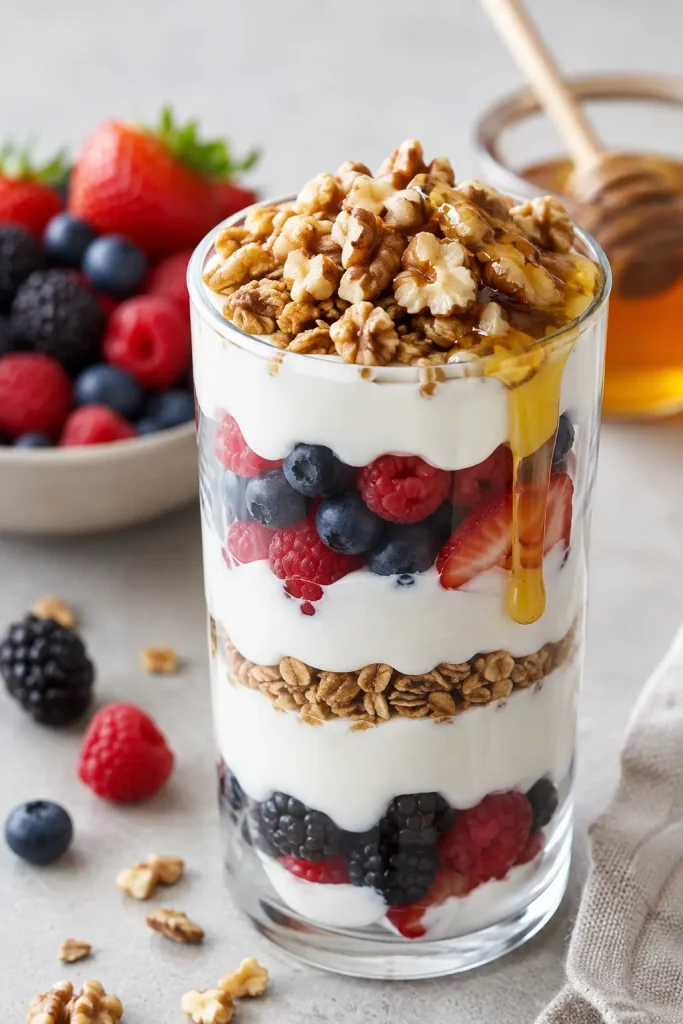
Yogurt and Cottage Cheese
Straining removes liquid whey and concentrates the protein. That is why Greek yogurt beats regular yogurt roughly two to one.
13. Greek Yogurt Berry Parfait
Time: 5 minutes
- 1 cup plain Greek yogurt
- 3/4 cup mixed berries
- 2 tbsp granola
- 1 tsp honey
- 1 tbsp chopped walnuts
- Spoon half the yogurt into a glass or bowl.
- Add half the berries.
- Repeat the layers.
- Top with granola, walnuts and a drizzle of honey.
Protein: 24 g. Fiber: 6 g. Calories: about 355.
Buy plain yogurt and add your own sweetener. Flavored yogurt often carries 15 to 20 grams of added sugar per cup. Keep granola as a topping rather than a base since most brands run heavy on sugar and oil.
14. Savory Cottage Cheese Bowl
Time: 5 minutes
- 3/4 cup low fat cottage cheese
- 1/2 cup cherry tomatoes, halved
- 1/2 cucumber, diced
- 1 tbsp hemp seeds
- 1 tsp olive oil
- Black pepper and dried oregano
- Spoon the cottage cheese into a bowl.
- Pile the tomatoes and cucumber on top.
- Drizzle with olive oil and finish with hemp seeds, pepper and oregano.
Protein: 22 g. Fiber: 3 g. Calories: about 290.
Cottage cheese carries more protein per calorie than nearly anything else in the dairy case. Buy low sodium versions when you can find them.
15. Chia Pudding with Yogurt
Time: 5 minutes plus overnight
- 3 tbsp chia seeds
- 3/4 cup milk
- 1/2 cup Greek yogurt
- 1/2 tsp vanilla extract
- 1 tsp maple syrup
- Berries for topping
- Whisk the chia seeds into the milk with the vanilla and maple syrup.
- Wait five minutes and whisk again to break up any clumps.
- Refrigerate overnight.
- Stir in the Greek yogurt in the morning and top with berries.
Protein: 24 g. Fiber: 14 g. Calories: about 370.
Highest fiber recipe here by a wide margin. That second whisk after five minutes prevents the clumps that ruin chia pudding. Drink water alongside it since fiber that high needs fluid to move properly.
16. Skyr with Apple and Almond Butter
Time: 5 minutes
- 3/4 cup plain skyr or Greek yogurt
- 1 apple, chopped
- 1 tbsp almond butter
- 1/2 tsp cinnamon
- 1 tbsp chopped pecans
- Spoon the skyr into a bowl.
- Warm the almond butter for 10 seconds so it drizzles easily.
- Top with the apple, almond butter, pecans and cinnamon.
Protein: 21 g. Fiber: 6 g. Calories: about 400.
Leave the apple skin on. Most of the fiber sits right there. Skyr runs slightly higher in protein than Greek yogurt and slightly thicker.
17. Whipped Cottage Cheese Toast
Time: 8 minutes
- 1/2 cup low fat cottage cheese
- 2 slices whole grain bread
- 1 tomato, sliced
- 1 tsp olive oil
- Everything bagel seasoning
- Fresh basil if you have it
- Blend the cottage cheese in a small food processor or blender until completely smooth.
- Toast the bread.
- Spread the whipped cottage cheese thick on both slices.
- Top with tomato, olive oil, seasoning and basil.
Protein: 20 g. Fiber: 8 g. Calories: about 330.
Blending changes cottage cheese completely. The texture turns into something closer to ricotta and the curds disappear.
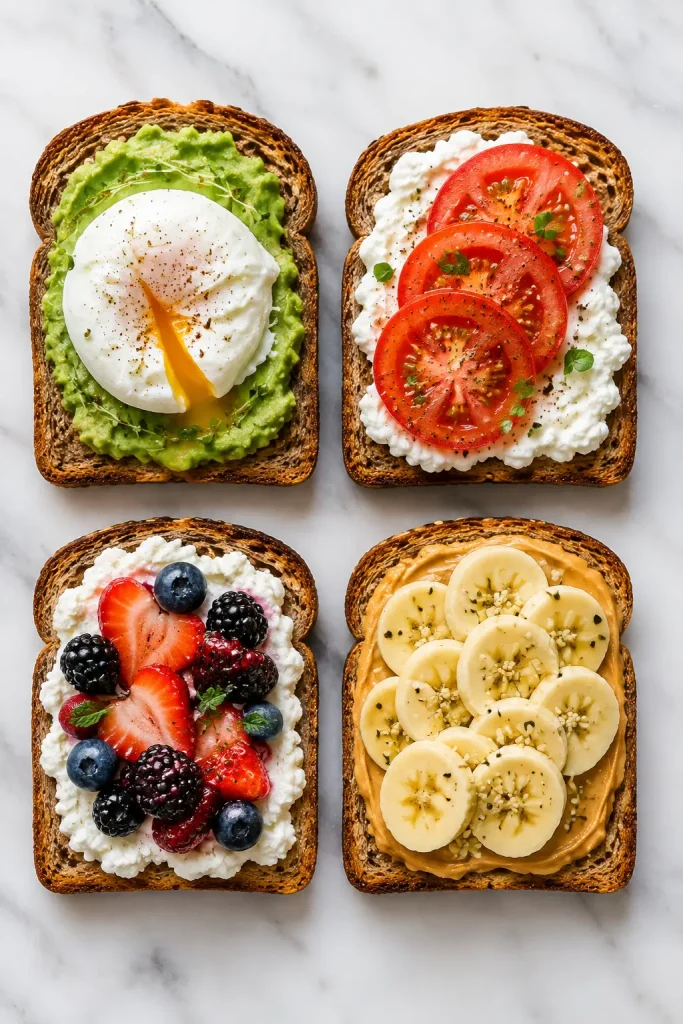
Toast and Sandwiches
Whole grain bread turns a snack into a meal. Read the label since many brown breads are white bread with coloring.
18. Turkey Sausage Breakfast Sandwich
Time: 12 minutes
- 1 whole wheat English muffin
- 1 large egg
- 2 oz turkey breakfast sausage
- 1 slice tomato
- Handful of spinach
- 1 tsp olive oil
- Cook the sausage in a pan until browned through.
- Fry the egg in the same pan. Break the yolk if you want a tidier sandwich.
- Toast the English muffin.
- Stack the sausage, egg, tomato and spinach between the halves.
Protein: 23 g. Fiber: 4 g. Calories: about 390.
Turkey sausage cuts the saturated fat compared to pork. Check the sodium since breakfast sausage runs high across the board.
19. Ricotta and Berry Toast
Time: 6 minutes
- 1/2 cup part skim ricotta
- 2 slices whole grain bread
- 3/4 cup mixed berries
- 1 tsp honey
- Lemon zest
- Fresh mint if you have it
- Toast the bread.
- Stir the lemon zest into the ricotta.
- Spread it thick on both slices.
- Top with berries, honey and mint.
Protein: 22 g. Fiber: 8 g. Calories: about 380.
Ricotta rarely shows up at breakfast and it deserves to. Creamy texture, mild flavor and solid protein. Lemon zest lifts the whole thing.
20. Hummus and Egg Toast
Time: 12 minutes
- 1/4 cup hummus
- 2 slices whole grain bread
- 2 large eggs
- Paprika
- Fresh parsley
- Black pepper
- Boil the eggs six to seven minutes for soft yolks. Cool them in ice water and peel.
- Toast the bread.
- Spread the hummus on both slices.
- Slice the eggs over the top. Finish with paprika, parsley and pepper.
Protein: 25 g. Fiber: 9 g. Calories: about 425.
Boil a half dozen eggs on Sunday and this takes four minutes on a weekday. Ice water makes them peel cleanly.
21. Tuna and Avocado Toast
Time: 8 minutes
- 3 oz canned tuna in water, drained
- 2 slices whole grain bread
- 1/2 avocado
- 1 tsp lemon juice
- 1 tbsp diced red onion
- Black pepper
- Mash the avocado with the lemon juice.
- Flake the tuna in and mix.
- Stir in the red onion and pepper.
- Toast the bread and pile the mixture on top.
Protein: 30 g. Fiber: 10 g. Calories: about 450.
Highest protein recipe on this list. Tuna at breakfast sounds odd to American ears and plenty of countries eat fish first thing. Skipjack or light tuna runs lower in mercury than albacore.
22. Nut Butter Banana Toast with Hemp
Time: 5 minutes
- 2 tbsp natural peanut butter
- 2 slices whole grain bread
- 1 banana, sliced
- 2 tbsp hemp seeds
- 1/4 tsp cinnamon
- Toast the bread.
- Spread the peanut butter while the toast is still warm so it softens.
- Layer the banana slices on top.
- Sprinkle hemp seeds and cinnamon over everything.
Protein: 23 g. Fiber: 9 g. Calories: about 520.
Hemp seeds turn an average breakfast into a filling one. They taste mild and nutty. Keep a bag in the fridge since the oils go rancid at room temperature.
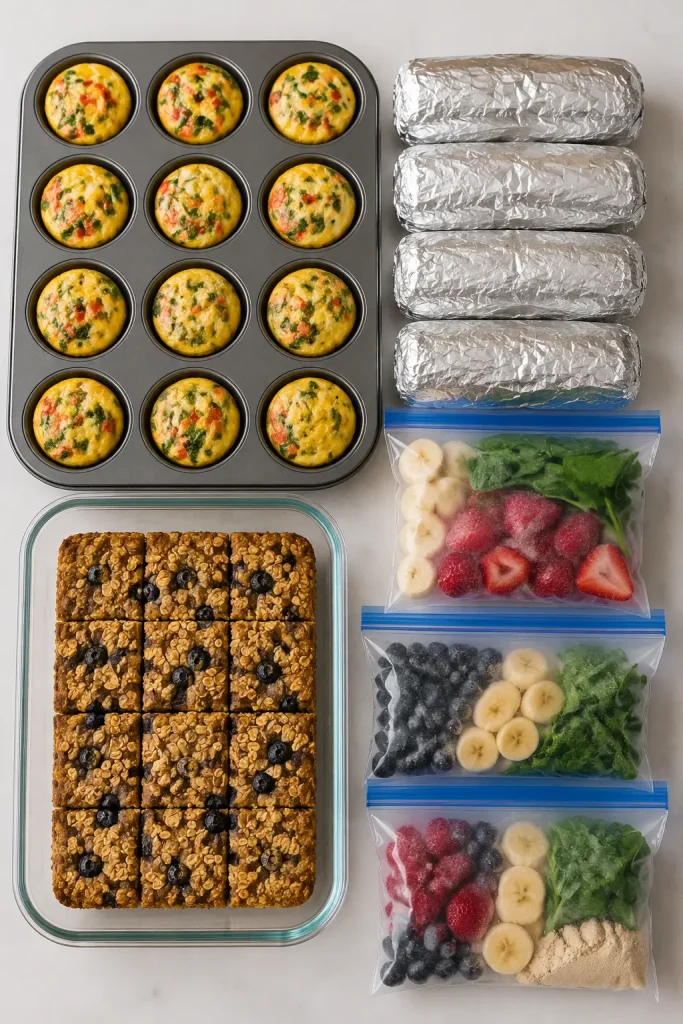
Make Ahead and Grab and Go
Cook once and eat all week. These solve rushed mornings before they happen.
23. Freezer Breakfast Burritos
Time: 40 minutes. Makes 8 burritos.
- 12 large eggs
- 1 lb turkey breakfast sausage
- 8 large whole wheat tortillas
- 2 cups shredded cheese
- 1 bell pepper, diced
- 1 onion, diced
- Salt and pepper
- Brown the sausage with the pepper and onion in a large pan.
- Scramble the eggs separately and cook them slightly under done since they will reheat later.
- Let everything cool completely. Warm filling makes soggy tortillas.
- Fill each tortilla with eggs, sausage and cheese. Fold the sides in and roll tight.
- Wrap each one in foil and freeze in a bag.
Protein per burrito: 29 g. Fiber: 4 g. Calories: about 470.
Reheat from frozen. Remove the foil, wrap in a damp paper towel and microwave two to three minutes. Cooling the filling before you roll is the step people skip and regret.
24. Egg and Vegetable Casserole
Time: 50 minutes. Makes 6 servings.
- 12 large eggs
- 1 cup milk
- 1 1/2 cups shredded cheese
- 2 cups chopped broccoli
- 1 bell pepper, diced
- 1/2 onion, diced
- 1/2 tsp salt and black pepper
- Heat the oven to 375 F and grease a 9 by 13 inch dish.
- Cook the vegetables in a pan for five minutes to drive off water.
- Whisk the eggs, milk, salt and pepper together.
- Spread the vegetables in the dish, pour the egg mixture over and scatter the cheese on top.
- Bake 35 to 40 minutes until the center sets and a knife comes out clean.
Protein per serving: 21 g. Fiber: 3 g. Calories: about 305.
Precooking the vegetables matters. Raw ones release water and leave you with a soggy bottom. Keeps five days refrigerated.
25. Cottage Cheese Protein Pancakes
Time: 20 minutes. Makes 6 pancakes.
- 1 cup rolled oats
- 1 cup low fat cottage cheese
- 4 large eggs
- 1 tsp baking powder
- 1 tsp vanilla extract
- 1/2 tsp cinnamon
- Pinch of salt
- Blend everything until smooth. The oats need to break down completely.
- Let the batter rest five minutes so it thickens.
- Cook on a lightly oiled pan over medium low heat.
- Flip when bubbles form on the surface and the edges set, about three minutes per side.
Protein per 2 pancakes: 24 g. Fiber: 5 g. Calories: about 330.
Medium low heat is essential. These brown faster than regular pancakes and burn easily. Freeze extras with parchment between them and reheat straight in the toaster.
26. Breakfast Grain Salad
Time: 10 minutes with cooked quinoa. Makes 2 servings.
- 1 cup cooked quinoa
- 1 cup shelled edamame, thawed
- 2 oz feta, crumbled
- 1 cucumber, diced
- 2 hard boiled eggs, chopped
- 2 tbsp olive oil
- 1 tbsp lemon juice
- Fresh mint or parsley
- Toss the quinoa, edamame, cucumber and herbs in a bowl.
- Whisk the olive oil and lemon juice together and pour it over.
- Fold in the feta and chopped eggs gently.
- Refrigerate up to three days.
Protein per serving: 23 g. Fiber: 8 g. Calories: about 425.
Cold breakfast feels strange until a hot morning makes it obvious. This one tastes better on day two once the flavors settle.
27. Make Ahead Smoothie Packs
Time: 15 minutes to prep 5 bags. 2 minutes each morning.
Per bag:
- 1 cup frozen fruit
- 1 cup fresh spinach
- 2 tbsp hemp seeds
Add in the morning:
- 3/4 cup Greek yogurt
- 3/4 cup milk
- Fill freezer bags with the fruit, spinach and hemp seeds. Press the air out.
- Freeze flat so they stack.
- Dump one bag into the blender with the yogurt and milk.
- Blend 45 seconds until smooth.
Protein: 25 g. Fiber: 7 g. Calories: about 380.
Sip it rather than downing it. Your brain counts chewing as part of eating, so drinking a meal fast registers as less food than it actually is.
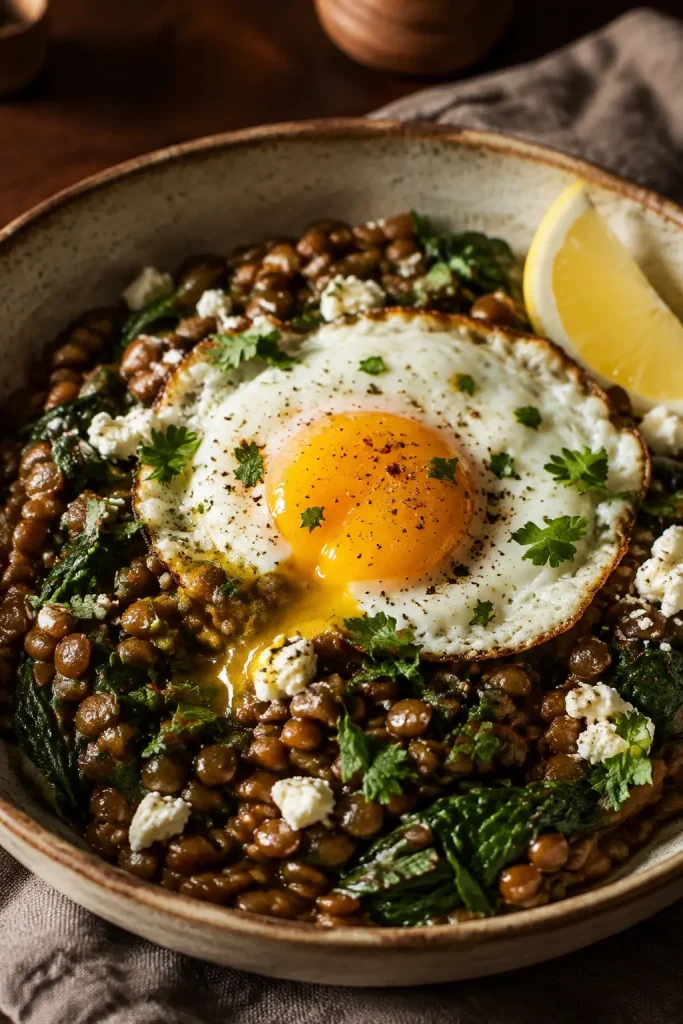
Savory and Plant Based
Plant protein needs a bit more volume to hit the same numbers. Soy foods and legumes do it best.
28. Tofu Scramble
Time: 12 minutes
- 1 cup firm tofu, pressed and crumbled
- 1 tbsp nutritional yeast
- 1/2 tsp turmeric
- 1/2 tsp cumin
- 1/2 bell pepper, diced
- 1 cup spinach
- 1 tsp olive oil
- Salt and black pepper
- Press the tofu between paper towels for 10 minutes to remove water.
- Heat the oil and cook the pepper for three minutes.
- Crumble the tofu in and add the turmeric, cumin and nutritional yeast. Cook five minutes.
- Stir in the spinach until it wilts. Season and serve.
Protein: 22 g. Fiber: 4 g. Calories: about 300.
Pressing is the step that separates good tofu scramble from bad. Wet tofu steams instead of browning. Turmeric handles the color and nutritional yeast gives it a savory edge.
29. Lentil and Egg Breakfast Bowl
Time: 10 minutes with cooked lentils
- 3/4 cup cooked brown or green lentils
- 1 large egg
- 2 cups spinach
- 1 oz feta
- 2 cloves garlic, minced
- 1 tsp olive oil
- 1/2 tsp cumin
- Lemon wedge
- Heat the oil and cook the garlic for 30 seconds.
- Add the lentils and cumin. Warm through for three minutes.
- Stir in the spinach until it wilts.
- Fry the egg separately and slide it on top. Add feta and a squeeze of lemon.
Protein: 23 g. Fiber: 12 g. Calories: about 385.
Lentils deliver protein and fiber together, which very few foods manage. Canned lentils work fine when you rinse them.
30. Edamame and Brown Rice Bowl
Time: 10 minutes with cooked rice
- 1 cup shelled edamame
- 1/2 cup cooked brown rice
- 1 soft boiled egg
- 1 tsp sesame oil
- 1 tsp soy sauce
- 2 scallions, sliced
- 1 tsp sesame seeds
- Warm the edamame and rice together for two minutes.
- Boil the egg six minutes for a jammy yolk. Cool and peel.
- Toss the rice and edamame with sesame oil and soy sauce.
- Halve the egg over the top. Finish with scallions and sesame seeds.
Protein: 27 g. Fiber: 10 g. Calories: about 435.
Edamame carries about 18 grams of protein per cup, which puts it near the top of the plant protein list.
What Actually Drives the Fullness
Look across all 30 and the pattern repeats.
Real protein anchors every one. Eggs, Greek yogurt, cottage cheese, ricotta, beans, lentils, tofu, edamame, fish or poultry.
Whole grains replace refined ones. Whole grain toast, oats, quinoa and brown rice instead of white bread or sweet cereal.
Fat shows up in small amounts. Nuts, seeds, avocado, olive oil or cheese.
Fruit adds flavor rather than the base. Berries and bananas belong at breakfast. They cannot carry it alone.
Whole diets beat single meals. A filling breakfast helps most when the rest of your day follows the same logic.
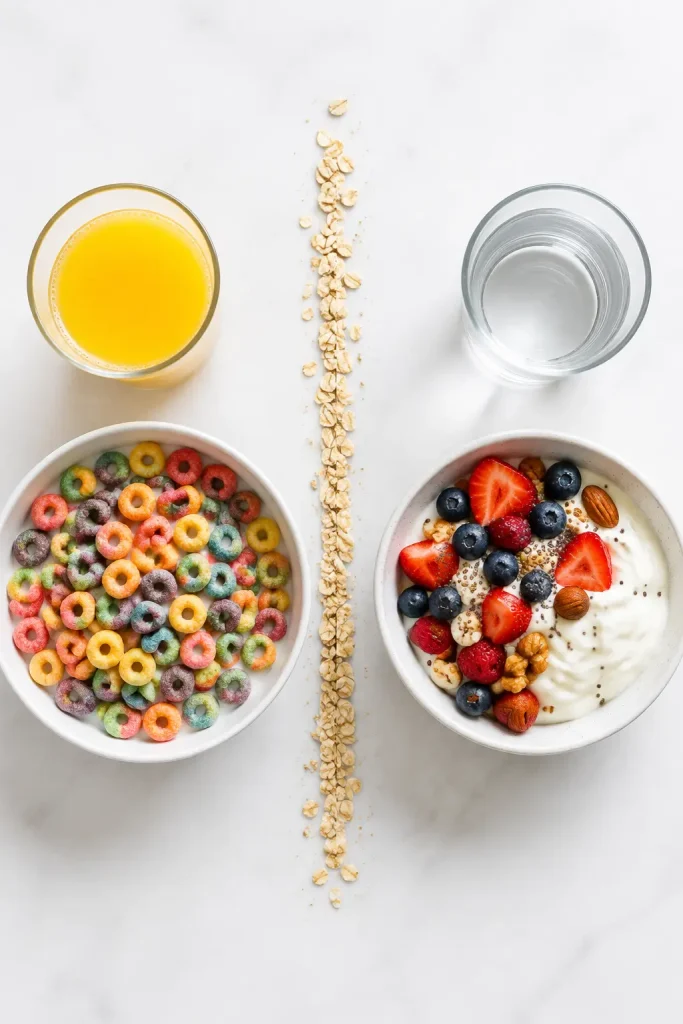
Common Breakfast Mistakes
A few habits work against you.
- Fruit juice with breakfast, which adds sugar and strips the fiber
- Flavored yogurt, which often carries as much added sugar as dessert
- Granola treated as a main dish rather than a topping
- Sweet cereal that lists sugar among the first three ingredients
- Skipping breakfast and eating double at lunch
- Coffee alone until noon
Coffee on an empty stomach bothers some people more than others. Our guide to foods to avoid on an empty stomach covers who tends to notice it.
Simple Ways to Make Mornings Easier
Small systems beat good intentions.
Cook once and eat five times. Egg muffins, baked oatmeal, casserole and freezer burritos all reheat well.
Prep the night before. Overnight oats and chia pudding need two minutes of evening work.
Batch the base ingredients. Cook a pot of steel cut oats, quinoa or lentils on Sunday. Boil six eggs while you are at it. Half these recipes then take five minutes.
Keep three breakfasts in rotation. Repetition removes decisions and decisions are what kill you at 6 a.m.
Stock the staples. Eggs, Greek yogurt, cottage cheese, oats, frozen fruit, hemp seeds, nut butter and whole grain bread cover most of this list.
Pick recipes you actually want to eat. A breakfast you dislike will not survive a busy week.
Frequently Asked Questions
How much protein should breakfast have?
Aim for 20 to 30 grams. That range supports fullness and muscle for most adults. Spreading protein across meals works better than saving it all for dinner.
Does eating breakfast help with weight?
The evidence is mixed and depends on the person. Breakfast skippers who eat well later do fine. Breakfast helps most when it prevents overeating at lunch or a snack spiral in the afternoon.
Which breakfast keeps you full the longest?
Meals carrying both protein and fiber. The black bean burrito at 31 grams of protein and 12 grams of fiber, the chia pudding at 14 grams of fiber and the lentil bowl at 12 all rank high for that reason.
Can I eat the same breakfast every day?
Yes. Repetition makes healthy eating easier for most people. Rotate two or three so you still get some variety across the week.
Are eggs safe to eat daily?
For most healthy people, yes. Research on eggs and heart health has shifted a lot over the past two decades and current guidance treats moderate daily intake as fine. Talk to your doctor if you have high cholesterol, diabetes or heart disease.
How do I get 20 grams of protein without meat or eggs?
Greek yogurt, cottage cheese, ricotta, tofu, edamame, lentils, beans and hemp seeds all work. Recipes 15, 28, 29 and 30 on this list use no meat at all.
What if I am not hungry in the morning?
Do not force it. Some people naturally eat later in the day. Have your first meal when hunger shows up and build it the same way.
How long do the make ahead recipes keep?
Egg muffins and casserole keep about five days refrigerated. Overnight oats and chia pudding hold four days. Freezer burritos and pancakes keep about three months frozen.
Related reading: for the protein side see our high protein breakfasts, for blood sugar see 15 diabetes friendly breakfast ideas, and for liver health see 7 breakfasts for fatty liver.
Final Thoughts on Healthy Breakfast Recipes
Morning hunger is a design problem rather than a discipline problem. These healthy breakfast recipes all solve it the same way, with protein to slow digestion and fiber to add bulk. Eggs, Greek yogurt, cottage cheese, beans and oats do most of the work across all 30.
Pick three that match your schedule and skill level. Prep one on Sunday. Repeat them until they feel automatic. That does more for your mornings than a list of thirty recipes you never cook.
This article shares general nutrition information. It does not replace advice from your doctor or a registered dietitian. Talk with a healthcare provider before you change your diet, especially with a diagnosed condition. Read our full medical disclaimer and fact checking policy.
About the Author and Reviewer
Mezbaul Islam, MSc Nutrition owns and writes Simple Health Naturally. He researches each article from public health guidance, clinical guidelines and peer reviewed studies, and traces every figure back to a named source.
Dr. Obeydur Rahman, MBBS, MD in Medicine edits the articles, checks the sources cited and is responsible for the site’s editorial standards. MD in Medicine is the specialty for adult conditions such as liver disease, type 2 diabetes and high blood pressure.
Read more about our authors and reviewers or see our editorial policy.
Edited by Dr. Obeydur Rahman, MBBS, MD in Medicine.