Warm lemon water will not detox anything. Prune juice genuinely relieves constipation. That gap between what a drink promises and what it delivers runs through this entire category. These morning drinks each get an honest read, with the evidence rated for every one.
You get nine recipes, what each actually does, which claims hold up and which do not, and the two safety notes most articles skip.
Why Any Morning Drink Helps at All
Something simple explains a lot of the benefit people report.
You wake up mildly dehydrated. Eight hours without fluid, plus breathing and sweating overnight, leaves most people down on water. Rehydrating first thing genuinely helps with headaches, focus and that sluggish morning feeling.
Plain water does this. Warm water does this. Lemon water does this. The water is doing the work in almost every case.
That does not make the additions pointless. Ginger really does settle a stomach. Prunes really do move things along. Some ingredients earn their place and some just make the water taste better, which is itself a decent reason to drink more of it.
One thing no morning drink does is detoxify you. Your liver and kidneys handle that around the clock. No beverage speeds them up.
The 9 Morning Drinks at a Glance
| Drink | Best For | Evidence |
|---|---|---|
| Lemon and ginger warm water | Bloating and nausea | Strong for ginger |
| Orange, carrot and turmeric | Vitamin C and A intake | Moderate |
| Garlic, honey and warm water | Sore throat comfort | Weak for immunity |
| Watermelon, mint and lime | Hydration | Strong for hydration |
| Papaya, pineapple and chia | Digestion and fiber | Moderate |
| Beetroot, apple and lemon | Blood pressure and exercise | Strong |
| Banana and strawberry smoothie | Steady energy and fullness | Weak for stress |
| Prune, pear and warm water | Constipation | Strong |
| Cucumber, mint and coconut water | Hydration and electrolytes | Strong |
Read the evidence column as the honest headline. Four of these have real research behind them. Two mostly taste good.
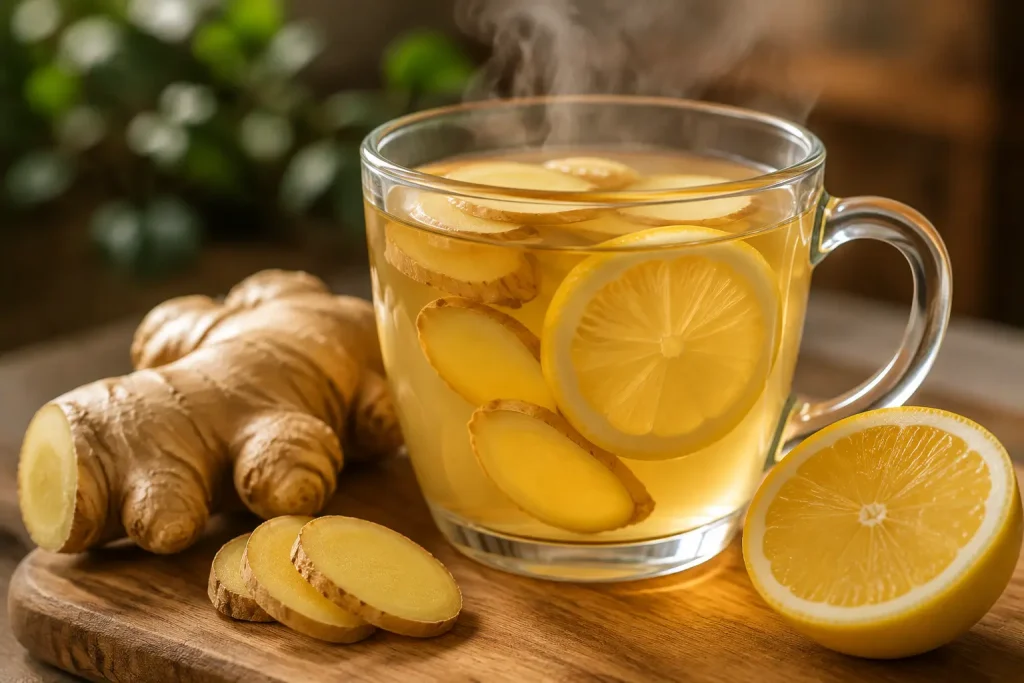
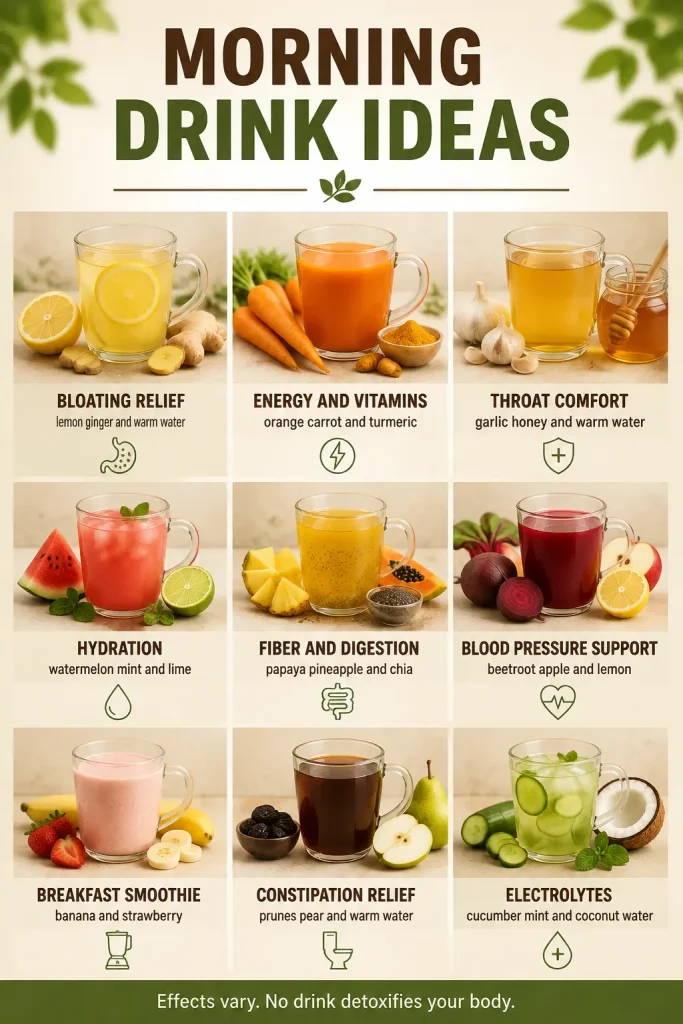
1. Lemon and Ginger Warm Water
Make it. Grate a teaspoon of fresh ginger into a mug. Add hot water, steep 10 minutes, then squeeze in half a lemon.
What it actually does. Ginger is one of the best studied foods in this whole category. Controlled trials show it helps with nausea from pregnancy, motion sickness and chemotherapy. It also speeds up how quickly your stomach empties, which eases that heavy bloated feeling.
What it does not do. Lemon does not alkalize your body or burn fat. Your blood pH stays tightly controlled no matter what you drink.
Evidence: strong for ginger, weak for lemon.
Watch out. Lemon acid erodes tooth enamel. Drink it through a straw and rinse with plain water afterward. Wait 30 minutes before brushing.
2. Orange, Carrot and Turmeric
Make it. Blend two oranges, two carrots, half a teaspoon of turmeric and a pinch of black pepper with a little water.
What it actually does. This delivers real vitamin C from the oranges and beta carotene from the carrots. Both are nutrients you genuinely need. Black pepper improves curcumin absorption from the turmeric substantially.
What it does not do. Turmeric at culinary amounts is far below the doses used in research trials. The anti inflammatory studies use concentrated extracts, not half a teaspoon in juice.
Evidence: moderate. Good nutrition, modest turmeric effect.
Worth knowing. Blending keeps the fiber. Juicing removes it and leaves concentrated sugar.
3. Garlic, Honey and Warm Water
Make it. Crush one clove of garlic, let it sit 10 minutes, then stir into warm water with a teaspoon of honey.
What it actually does. Honey genuinely soothes a sore throat and suppresses cough. Trials support that, and it works about as well as some over the counter cough remedies in children over one.
What it does not do. Garlic will not prevent you catching anything. The immunity claim rests on lab studies and a handful of small trials with mixed results. Nothing supports drinking garlic water as illness prevention.
Evidence: weak for immunity, moderate for throat comfort.
Safety. Never give honey to a baby under 12 months. Infant botulism is a real risk. Garlic can also thin blood slightly, so ask your doctor if you take anticoagulants.
4. Watermelon, Mint and Lime
Make it. Blend two cups of watermelon with a handful of mint and the juice of one lime.
What it actually does. Watermelon runs about 91 percent water, so this hydrates well. It also carries potassium and lycopene.
What it does not do. Nothing about this cleanses skin or flushes toxins. Hydration does help skin look less dull, and that is the whole mechanism.
Evidence: strong for hydration.
Worth knowing. Blend it rather than juicing. The fiber slows the natural sugar.
5. Papaya, Pineapple and Chia
Make it. Soak a tablespoon of chia seeds in water for 15 minutes. Blend with a cup of papaya and half a cup of pineapple.
What it actually does. Chia seeds carry roughly 5 grams of fiber per tablespoon, and most people fall well short of daily fiber targets. Papaya contains papain and pineapple contains bromelain, both enzymes that break down protein.
What it does not do. The enzyme effect is modest. Fiber and water do most of the digestive work here.
Evidence: moderate. Strong for fiber, modest for enzymes.
Watch out. Chia absorbs a lot of liquid. Always soak it first. Dry chia has caused choking and esophageal blockages.
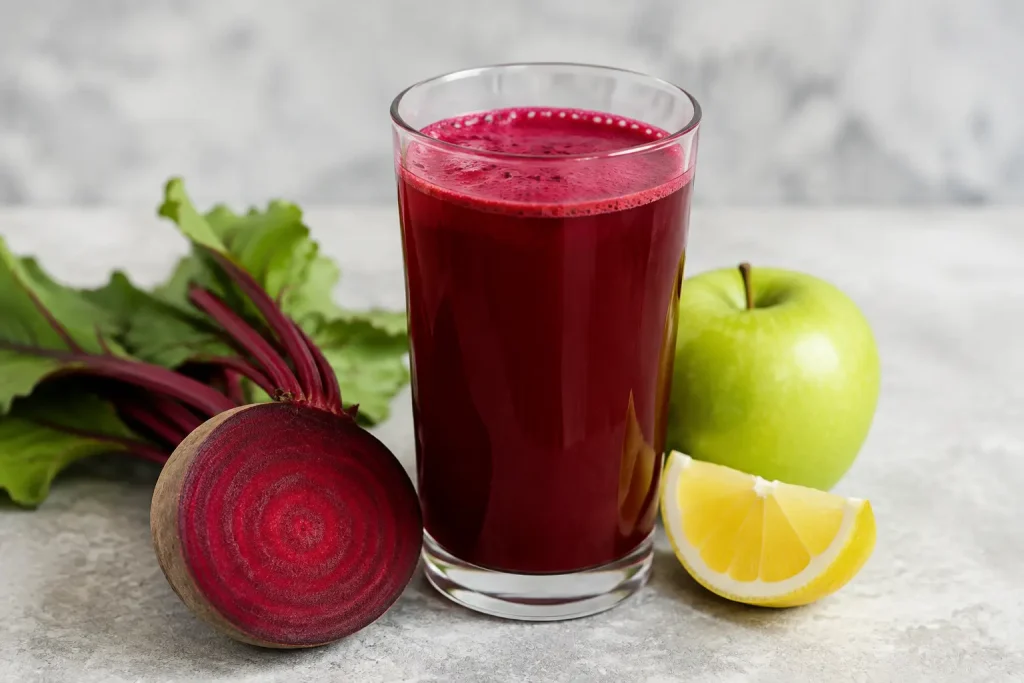
6. Beetroot, Apple and Lemon
Make it. Blend one cooked beetroot, one apple and the juice of half a lemon with water.
What it actually does. This one has genuinely strong research. Beets are high in dietary nitrates, which your body converts to nitric oxide. Nitric oxide relaxes blood vessels. Trials show modest reductions in blood pressure, and athletes use beet juice because it improves exercise efficiency.
What it does not do. It will not replace blood pressure medication.
Evidence: strong. One of the best supported drinks here.
Safety. Beet juice can lower blood pressure further alongside antihypertensive medication. Talk to your doctor before making it a daily habit. Beets also raise oxalate intake, which matters with a history of kidney stones. And beeturia, meaning pink urine, is harmless and normal.
7. Banana and Strawberry Smoothie
Make it. Blend one banana, a cup of strawberries and a cup of milk or yogurt.
What it actually does. This is a decent breakfast. Potassium, vitamin C and carbohydrate for energy. Adding yogurt brings protein, which slows the sugar and keeps you full.
What it does not do. Nothing here reduces stress. Bananas contain tryptophan and magnesium, and the amounts are far too small to affect mood. The calm feeling from eating breakfast comes from not being hungry.
Evidence: weak for stress, moderate as a breakfast.
Improve it. Add Greek yogurt or a scoop of protein powder. Fruit alone leaves most people hungry within the hour.
8. Prune, Pear and Warm Water
Make it. Soak four prunes overnight in warm water. Blend with one pear in the morning, soaking water included.
What it actually does. Prunes have real evidence for constipation. Randomized trials have found them at least as effective as psyllium. They work through fiber plus sorbitol, a sugar alcohol that draws water into the intestine.
What it does not do. Nothing about this is a cleanse.
Evidence: strong.
Watch out. Sorbitol causes gas and cramping in some people. Start with two or three prunes rather than a large serving. Constipation lasting weeks, or arriving with blood or unplanned weight loss, needs a doctor rather than fruit.
9. Cucumber, Mint and Coconut Water
Make it. Blend half a cucumber with a cup of unsweetened coconut water and a few mint leaves.
What it actually does. Cucumber runs about 96 percent water and coconut water delivers more potassium per cup than a banana. Together they rehydrate well and replace electrolytes.
What it does not do. It is not a detox drink and it does not beat plain water for ordinary mornings.
Evidence: strong for hydration.
Worth knowing. Buy unsweetened coconut water. Many brands add sugar. Save it for hot days and after exercise rather than every morning, since it costs far more than water.
Which Ones Have Real Research
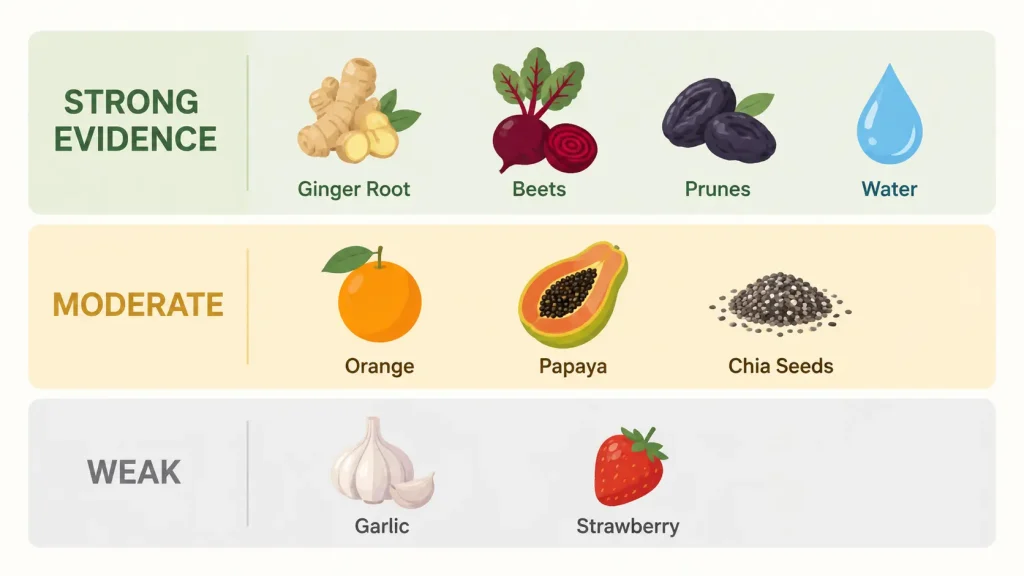
Four stand out.
Prunes for constipation. Randomized trials, consistent results.
Ginger for nausea and stomach comfort. Dozens of controlled trials.
Beets for blood pressure and exercise. Well documented nitrate mechanism.
Water rich drinks for hydration. Measurable and obvious.
Two rest on much weaker ground.
Garlic for immunity. Lab promise, thin human evidence.
Fruit smoothies for stress. No mechanism at meaningful doses.
The rest sit in between. Good nutrition, modest specific effects.
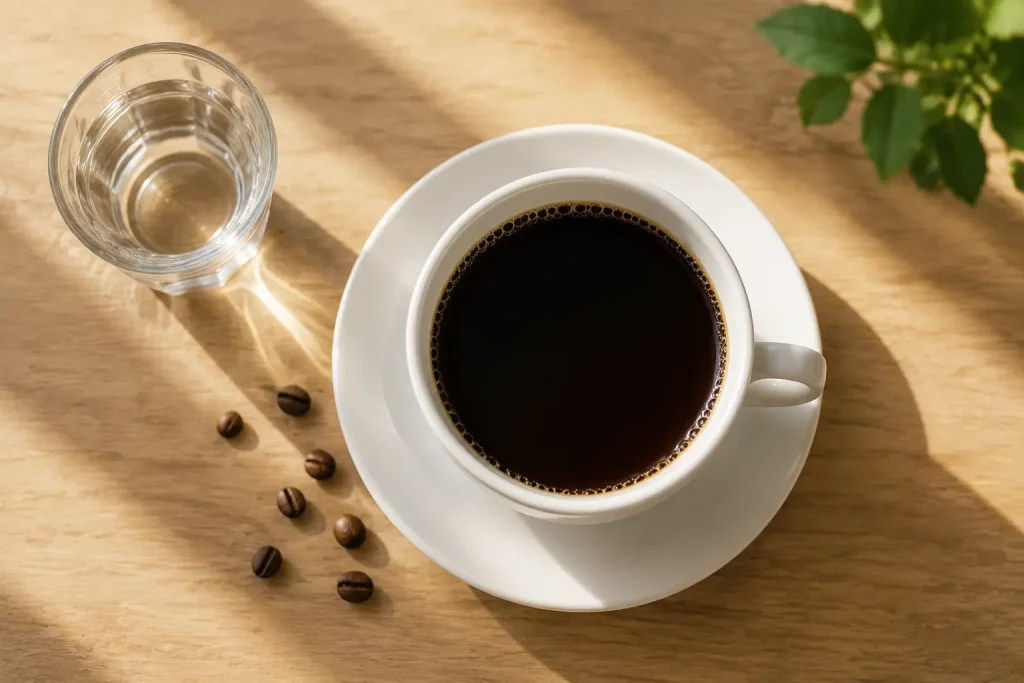
What About Coffee and Tea?
Most people already have a morning drink and it is not on the list above. Coffee deserves an honest mention because the evidence behind it beats almost everything here.
Coffee. Large observational studies link regular coffee drinking with lower rates of type 2 diabetes, Parkinson’s disease and liver disease, plus lower all cause mortality. The research is observational rather than causal, and it is consistent across many populations. Three to four cups a day sits in the range where most of those associations appear.
Coffee on an empty stomach bothers some people. It raises stomach acid and relaxes the valve at the top of your stomach, which matters most for anyone with reflux or gastritis. Our guide to foods to avoid on an empty stomach covers who tends to notice it.
Green tea. Polyphenols called catechins with decent antioxidant research behind them. Gentler caffeine than coffee. The weight loss claims are far weaker than the marketing suggests.
Black tea. Similar hydration benefit, less studied than green. Tannins reduce iron absorption, so keep it away from iron rich meals.
What neither does. Neither dehydrates you at normal intakes. The mild diuretic effect of caffeine is more than covered by the fluid in the cup. Both count toward your daily total.
None of this means you need to drink coffee. It does mean that swapping your coffee for lemon water is a downgrade on the evidence, not an upgrade.
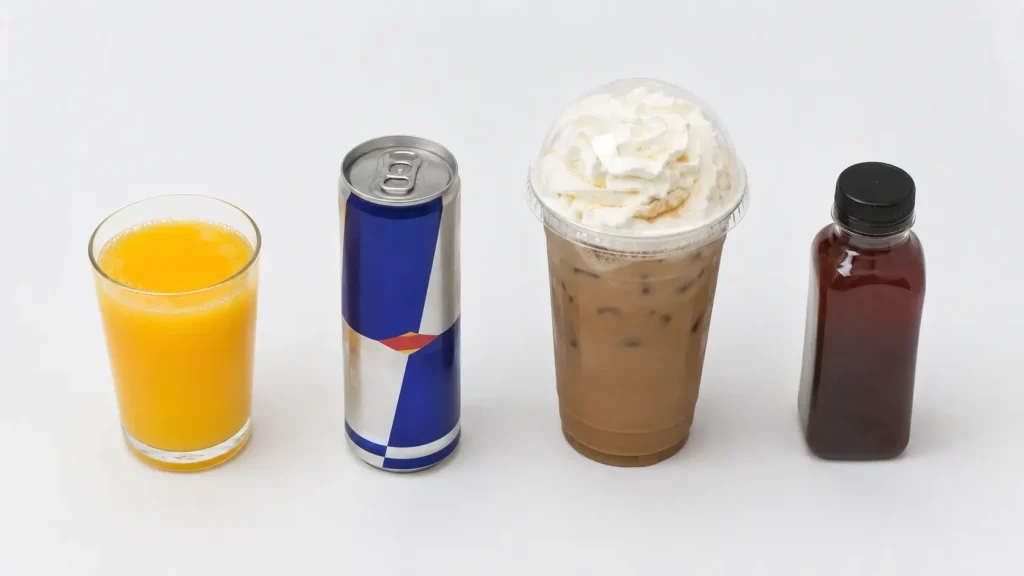
Morning Drinks Worth Skipping
Some popular choices work against you.
Fruit juice. Even 100 percent juice strips the fiber and concentrates the sugar. A glass of orange juice delivers the sugar of three oranges with none of the fullness. Eat the fruit instead.
Energy drinks. High caffeine plus high sugar plus additives. The crash arrives faster than with coffee and the sugar load is substantial.
Sweetened coffee drinks. A large flavored latte can carry more sugar than a soda. The coffee benefits do not cancel that out.
Apple cider vinegar shots. The blood sugar effect is real and small. The acid damages tooth enamel and irritates the esophagus. Dilute it heavily if you drink it at all, and never take it straight.
Detox teas. Many contain senna, a stimulant laxative. Regular use causes dependency and electrolyte problems. Weight lost is water and stool, not fat.
Celery juice. Popular and no better than eating celery. Juicing removes the fiber that makes celery useful.
Smoothies made only of fruit. Fast sugar with no protein or fat leaves most people hungry within an hour.
When to Drink What
Timing matters less than people think, though a few points help.
Water first, before anything else. You wake up mildly dehydrated. A glass of room temperature water starts the day right.
Wait 20 to 30 minutes before coffee if it bothers your stomach. A small bite of food helps more than the wait does.
Ginger works best steeped properly. Give it a full 10 minutes in hot water rather than a quick dunk.
Prunes work overnight. Soak them the night before and drink in the morning. Effects usually show within a day.
Beets need consistency. Blood pressure effects build over one to two weeks of regular intake rather than appearing after one glass.
Save electrolyte drinks for when you need them. Hot days and after exercise, rather than every morning.
Keep tea and coffee away from iron rich meals. An hour on either side is enough.
What No Morning Drink Does
Straight talk saves you money.
Nothing detoxifies you. Your liver and kidneys run continuously. No drink assists them.
Nothing meaningfully boosts metabolism. Lemon water, apple cider vinegar and cayenne all get this claim. The effects measured are tiny and short lived.
Nothing alkalizes your blood. Your body holds blood pH in a narrow range regardless of diet. Foods change urine pH, not blood pH.
Nothing burns fat on its own. A drink can replace a higher calorie option, which helps. The drink itself does nothing.
Nothing melts belly fat specifically. Spot reduction is not how fat loss works.
Real benefits still exist. They are just smaller and less dramatic than the marketing.
Safety Notes Worth Reading
Five things get skipped in most articles.
Honey and infants. Never give honey to a child under 12 months.
Beet juice and blood pressure medication. The effects add together. Ask your doctor.
Dry chia seeds. Always soak before drinking. Dry seeds swell in the esophagus.
Citrus and tooth enamel. Acid erodes enamel. Use a straw, rinse afterward and wait 30 minutes to brush.
Grapefruit and medications. Grapefruit interacts with statins and many other drugs. Check with a pharmacist before making it a daily drink.
Anyone with kidney disease, diabetes or on blood thinners should run daily habits past their doctor first.
How to Choose One
Simple guidance based on what you actually want.
Just want to feel better in the morning. Plain water works. Add lemon if it helps you drink more.
Bloated or queasy. Ginger, and give it 10 minutes to steep properly.
Constipated. Prunes, starting with a small serving.
Want blood pressure support. Beets, after talking to your doctor.
Need actual breakfast. A smoothie with yogurt or protein powder. Fruit alone will not hold you.
Hot day or after exercise. Coconut water or watermelon.
Our list of the most hydrating foods ranked by water content covers more options built the same way.
Frequently Asked Questions
What is the best drink first thing in the morning?
Water. Everything else is a variation that makes water more appealing or adds a specific benefit. Rehydrating after sleep does most of the good people notice.
Does lemon water actually do anything?
It hydrates you and adds a small amount of vitamin C. It does not detox, alkalize or burn fat. The acid also erodes tooth enamel, so use a straw.
Which morning drink helps with bloating?
Ginger has the best evidence. It speeds stomach emptying and settles nausea. Steep fresh ginger for at least 10 minutes.
Is coconut water better than plain water?
Only after heavy sweating, when the potassium helps. For ordinary mornings plain water works just as well and costs far less.
Can morning drinks help you lose weight?
Only by replacing something higher in calories. No drink burns fat by itself. Water before meals modestly reduces how much people eat.
Should I drink these on an empty stomach?
Most are fine. Citrus bothers some people with reflux or gastritis. Eat a small bite first and see whether it settles.
How long before I notice a difference?
Hydration effects appear within an hour. Prunes usually work within a day. Beet effects on blood pressure build over one to two weeks of regular intake.
Are store bought versions as good?
Rarely. Bottled versions often add sugar and lose fiber. Read labels and choose unsweetened.
Should I replace my coffee with lemon water?
Not for health reasons. Coffee has stronger research behind it than lemon water does. Swap only if coffee upsets your stomach or disrupts your sleep.
Is orange juice a good morning drink?
Not really. Juice removes the fiber and concentrates the sugar. A whole orange gives you the vitamin C plus fiber and far better fullness.
Does apple cider vinegar work in the morning?
The blood sugar effect is real and modest. The acid damages tooth enamel and can irritate the esophagus. Dilute heavily, use a straw and never drink it straight.
Does drinking water before breakfast help with weight?
Modestly. Studies show water before a meal reduces how much people eat at that meal. The effect is small and real.
Can I drink these every day?
Most, yes. Beet juice and grapefruit both interact with medications, and coconut water carries sugar and cost. Rotate rather than committing to one.
Three things worth knowing before any of these become a daily habit. Most morning drinks are acidic, and the American Dental Association notes enamel dissolves below pH 4.0, so rinse with plain water afterwards rather than brushing straight away. If you have seen the apple cider vinegar weight loss claim, the trial behind it was retracted by BMJ Group in September 2025. And on turmeric, NCCIH concludes there is not enough evidence to say it benefits any health condition.
Related reading: our 4 refreshing morning drinks covers four of these in more depth, and 8 healing waters grades the popular claims.
If coffee is your morning drink, check what time it stops working with our caffeine calculator, and work out your daily fluid target with the water intake calculator.
Final Thoughts on Morning Drinks
Honest expectations make these worth drinking. The best morning drinks work through simple mechanisms. Water rehydrates you after sleep. Ginger settles your stomach. Prunes move things along. Beets relax blood vessels.
Nothing here detoxifies, alkalizes or melts fat. Any article promising that is selling something.
Pick based on what you actually want rather than what sounds most impressive. Plain water covers most mornings. Reach for the others when you have a specific reason.
This article shares general nutrition information. It does not replace advice from your doctor. Talk with a healthcare provider before making daily changes, especially with high blood pressure, kidney disease, diabetes or while taking medication. Never give honey to infants under 12 months. Read our full medical disclaimer and fact checking policy.
About the Author and Reviewer
Mezbaul Islam, MSc Nutrition owns and writes Simple Health Naturally. He researches each article from public health guidance, clinical guidelines and peer reviewed studies, and traces every figure back to a named source.
Dr. Obeydur Rahman, MBBS, MD in Medicine edits the articles, checks the sources cited and is responsible for the site’s editorial standards. MD in Medicine is the specialty for adult conditions such as liver disease, type 2 diabetes and high blood pressure.
Read more about our authors and reviewers or see our editorial policy.
Edited by Dr. Obeydur Rahman, MBBS, MD in Medicine.