Healthy drinks for weight loss work through one mechanism, and it is not fat burning. They help by replacing something that contained calories. No beverage melts fat, and the drinks most aggressively marketed for weight loss, detox teas and vinegar tonics, are the ones with the least evidence behind them. Here are ten worth drinking, what the research actually found for each, and the two that have real trial data.
Short answer: Make water the default and let it replace sugary drinks rather than accompany them. Drinking 500 ml before meals has real trial support, though mainly in older adults. Green tea and coffee do not reliably cause weight loss despite the marketing, and the WHO advises against relying on artificial sweeteners long term.
The Only Mechanism That Reliably Works
Everything in this article depends on one idea: replacement. Swapping a 250 calorie café drink for water removes 250 calories. Drinking the water and the café drink removes nothing and adds a trip to the kitchen.
This sounds obvious and is the single most common mistake. People add green juice, coconut water, a smoothie and three coffees to an otherwise unchanged diet, then wonder why nothing moved. CDC makes the same point: water has no calories, so replacing sugary drinks with it reduces intake, but simply drinking more water changes nothing on its own.
Meta-analysis of randomised trials backs this up. Replacing sugar sweetened beverages with noncaloric options produced a modest long term reduction in BMI. The benefit came from removing the calories, not from any special property of what replaced them.
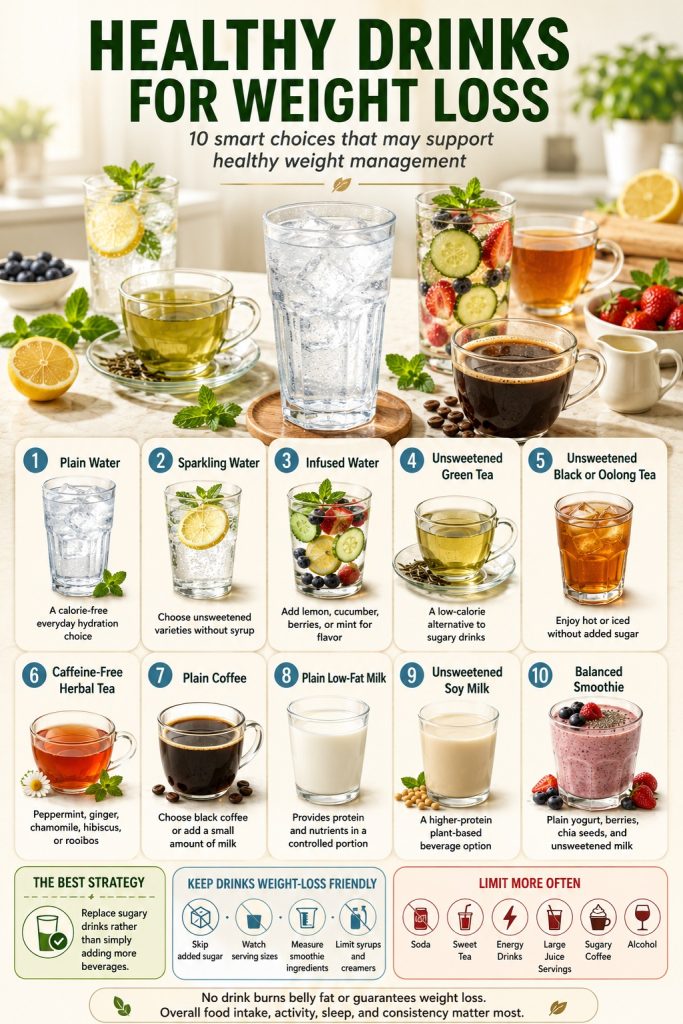
10 Healthy Drinks for Weight Loss
The zero calorie foundation
- 1. Plain water. The default. Hydrates with no calories, sugar or caffeine, and it is the drink that replaces everything else. Hydration needs vary with body size, activity, climate, pregnancy, illness and medicines, so there is no universal number of glasses.
- 2. Sparkling water. Gives you the fizz of soda without the sugar, which makes it the most useful practical swap for people who miss carbonation. Check the label, since “sparkling” products sometimes contain juice concentrate or sweeteners. Carbonation may aggravate reflux or bloating in some people.
- 3. Fruit and herb infused water. Lemon and cucumber, lime and mint, strawberry and basil, orange and ginger. Useful if plain water bores you. The fruit is there for flavour, not nutrition; eating it separately gives you more fibre.
- 4. Unsweetened herbal tea. Peppermint, ginger, chamomile, hibiscus, rooibos. Caffeine free, which makes these genuinely useful in the evening when replacing late coffee protects sleep, and sleep affects appetite the next day.
Unsweetened tea and coffee
- 5. Green tea. Marketed as a metabolism booster, and the evidence does not really support that. See the research section below.
- 6. Black, oolong or white tea. Fine unsweetened, no meaningful weight effect. The trap is what happens to tea commercially: bottled sweet tea, bubble tea and milk tea carry sugar, syrup, condensed milk and tapioca.
- 7. Plain coffee. Almost calorie free black and a useful replacement for sweetened coffee drinks. Caffeine may help exercise performance. It does not cause weight loss. Keep total caffeine under about 400 mg daily, or under 200 mg in pregnancy.
Drinks that count as food
These contain meaningful calories and protein. Treat them as a snack or part of a meal, not as hydration.
- 8. Plain low fat milk. Protein, calcium, potassium and vitamin D in a controlled portion. Useful when it replaces a milkshake, flavoured milk or a sugary café drink. Lactose free versions work for intolerance.
- 9. Unsweetened fortified soy milk. The plant milk with protein comparable to dairy, which almond, oat, rice and coconut drinks generally lack. Watch for added sugar in original, vanilla and barista versions.
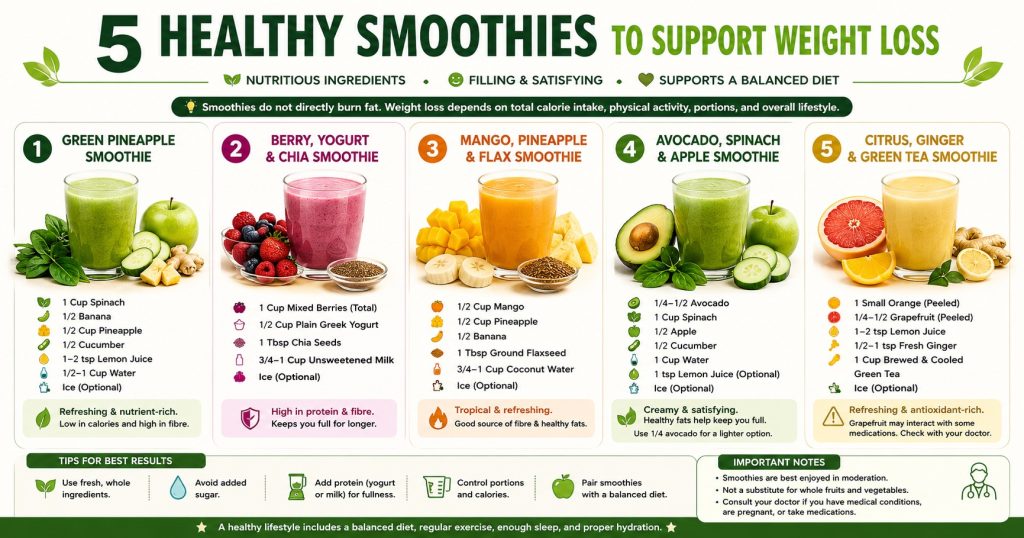
- 10. A balanced smoothie. Protein source plus one controlled fruit portion plus a fibre source plus unsweetened liquid. For example plain Greek yogurt, half a cup of berries, a tablespoon of chia and water. The failure mode is combining juice, several fruits, honey, granola, nut butter and coconut milk into one enormous glass. See our high protein smoothie guide for builds that actually fill you up.
Plain kefir and unsweetened drinkable yogurt belong in this group too. Both provide protein, and both are frequently sold with substantial added sugar, so the label matters more than the health halo.
What the Research Actually Found
Water before meals: the one with real numbers
This is the closest thing to a genuine drink strategy. In a randomised trial of 48 adults aged 55 to 75 with a BMI between 25 and 40, everyone followed a reduced calorie diet and half also drank 500 ml of water before each meal. Over 12 weeks the water group lost about 2 kg more, roughly a 44 percent greater decline, and ate around 75 to 90 fewer calories per meal.
One honest caveat: results have been most consistent in middle aged and older adults, possibly because gastric emptying slows with age. Younger adults have shown less reliable effects. It costs nothing to try, and it only works alongside a calorie reduced diet rather than instead of one.
Green tea and coffee: less than the marketing suggests
A 2024 network meta-analysis of 22 randomised trials in the British Journal of Nutrition tested this directly. Green tea produced a small reduction in body weight versus water or placebo, but the certainty of evidence was low to very low, trials were short, and a sensitivity analysis restricted to people with overweight or obesity found no significant benefit.
Black tea, regular coffee, decaffeinated coffee and green coffee all showed no significant weight loss compared with control drinks. So the honest position is that unsweetened tea and coffee are good beverage choices because they replace sweetened ones, not because they burn fat.
Green tea extract capsules are a different product entirely, and a recognised cause of liver injury. Our guide to green tea and liver health explains why the drink and the capsule are not interchangeable.
Diet drinks: useful transition, poor destination
This one is genuinely contested. Some randomised trials found artificially sweetened drinks performed as well as or better than water in structured weight programmes, particularly among people who already drank them.
But the World Health Organization advises against using non sugar sweeteners as a long term weight control strategy, because the evidence does not show dependable long term benefit and observational data raise unresolved questions. WHO recommends reducing the overall sweetness of the diet instead.
A reasonable reading: a diet drink is a fine stepping stone away from regular soda, water is the better destination, and neither burns fat. People with diabetes should fit sweetener decisions into their own treatment plan.
Drinks That Work Against You
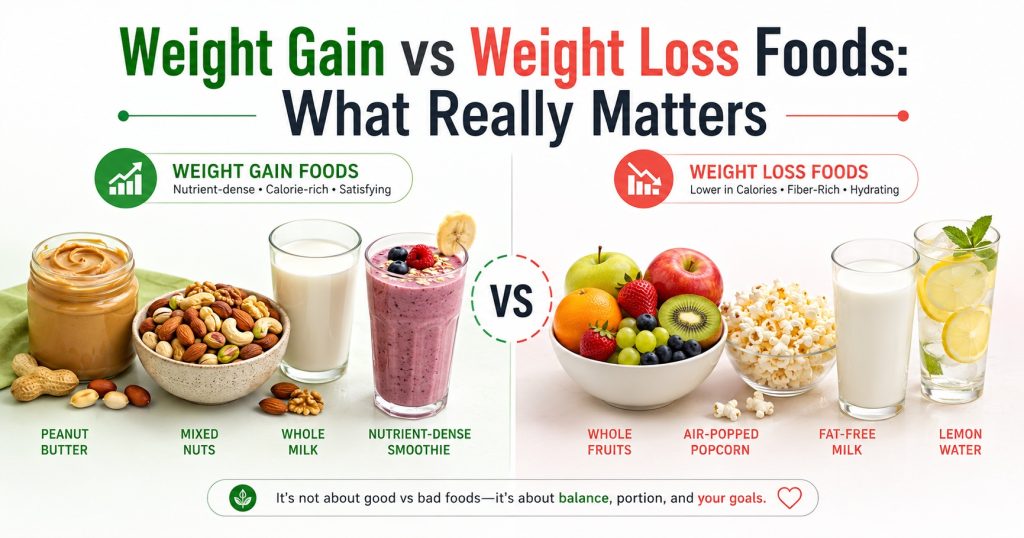
- Sugary soft drinks. Calories with almost no fullness. The highest return single swap for most people.
- Sweetened tea and coffee drinks. Bottled coffee, flavoured lattes and blended café drinks. Being made from coffee does not make a drink low calorie.
- Fruit drinks and large glasses of juice. Even 100 percent juice goes down in seconds without the fibre. A splash in sparkling water beats a full glass.
- Energy drinks. Sugar plus large and variable caffeine doses plus additional stimulants.
- Sports drinks. Designed for prolonged intense exercise, not for sitting at a desk.
- Alcohol. Calories plus reduced restraint around food, and cocktails add juice, syrup and cream on top.
- Coconut water. Fine occasionally, but it contains calories and is not a fat burner.
Three myths worth dropping
- Detox and skinny teas. These frequently contain senna or other laxatives, diuretics and stimulants. Any drop on the scale is fluid and bowel content, not fat, and the risks include dehydration, electrolyte disturbance, diarrhoea and medicine interactions. There is no upside here.
- Apple cider vinegar. Does not melt fat. Undiluted vinegar can erode tooth enamel and irritate the throat and stomach, and it may interact with some medicines.
- Lemon water. Flavoured water, and a perfectly good one. It does not detox anything, and your liver and kidneys already handle that job without assistance.
A useful rule: if a drink promises to burn fat, flush toxins or target belly fat specifically, the promise is the product. Spot reduction of fat from one body area is not physiologically possible by any means, let alone by drinking something.
A Simple Daily Plan
- Morning: water on waking, then plain coffee, unsweetened tea, milk or fortified soy milk with breakfast.
- Midday: water or sparkling water with lunch. Add 500 ml before the meal if you want to try the preload.
- Afternoon: water, unsweetened iced tea, or a balanced smoothie in place of a snack rather than alongside one.
- Evening: water or caffeine free herbal tea. Cutting late caffeine protects sleep, and short sleep raises appetite the following day.
Before buying any bottled drink, check four things: serving size, since one bottle is often two servings; calories, to decide whether it is hydration or a snack; added sugars, including syrup, honey, agave and fruit juice concentrate; and caffeine, which adds up across coffee, tea, energy drinks and supplements.
Frequently Asked Questions
What is the best drink for weight loss?
Plain water, and not because it does anything special. It has no calories, so every sugary drink it replaces is a genuine reduction in intake. The key word is replaces. Adding water to an otherwise unchanged diet does not reduce calories. If you want one specific technique with trial evidence behind it, drinking 500 ml before meals is the one to try.
Does drinking water before meals actually help?
There is real evidence, with caveats. In a randomised trial of 48 adults aged 55 to 75, everyone followed a reduced calorie diet and those who also drank 500 ml of water before each meal lost about 2 kg more over 12 weeks, roughly a 44 percent greater decline, eating around 75 to 90 fewer calories per meal. Results have been most consistent in middle aged and older adults, and it only works alongside a calorie reduced diet.
Does green tea burn fat?
Not meaningfully. A 2024 network meta-analysis of 22 randomised trials found green tea produced only a small weight reduction versus water or placebo, the certainty of evidence was low to very low, and a sensitivity analysis limited to people with overweight or obesity found no significant benefit. Unsweetened green tea is a good drink because it replaces sweetened ones, not because it boosts metabolism.
Is coffee good for weight loss?
Plain coffee is nearly calorie free and useful as a replacement for sweetened coffee drinks, but the same 2024 meta-analysis found regular coffee, decaf and green coffee produced no significant weight loss compared with control drinks. Caffeine may help exercise performance. Keep total intake under about 400 mg daily for most adults, or under 200 mg in pregnancy.
Can water reduce belly fat?
No. Spot reduction of fat from a specific body area is not physiologically possible by any method, including drinking anything. Water can support weight loss overall by replacing calorie containing drinks and by helping you follow a structured eating plan, and fat is then lost from the whole body in a pattern largely determined by genetics.
Are zero sugar drinks better than regular soda?
For calories, yes, and they can be a useful stepping stone away from sugary drinks. But the World Health Organization advises against relying on non sugar sweeteners as a long term weight control strategy, since the evidence does not show dependable long term benefit and observational data raise unresolved questions. Water is the better destination. People with diabetes should fit sweetener choices into their own treatment plan.
Do detox teas work for weight loss?
No, and some carry real risk. Products marketed as detox, slimming or flat belly teas frequently contain senna or other laxatives, diuretics and stimulants. Any drop on the scale reflects fluid and bowel content rather than fat, and possible harms include dehydration, electrolyte disturbance, diarrhoea and interactions with medicines. Your liver and kidneys handle detoxification without assistance.
Does apple cider vinegar help you lose weight?
There is no good evidence that it melts fat, and there are downsides. Undiluted vinegar can erode tooth enamel and irritate the mouth, throat and stomach, and it may interact with certain medicines including some diabetes and diuretic drugs. If you enjoy it in a dressing, that is fine. It is not a weight loss tool.
Are smoothies good or bad for weight loss?
Both, depending on how you build one. A smoothie with a protein source, one controlled fruit portion, a fibre source and unsweetened liquid works well as a meal or snack replacement. A smoothie combining juice, several fruits, honey, granola, nut butter and coconut milk can easily exceed 600 calories, and drinking it alongside a normal breakfast adds calories rather than removing them.
Can I drink milk while trying to lose weight?
Yes, counting it as food rather than as hydration. Plain milk provides protein, calcium, potassium and vitamin D in a controlled portion, and it is useful when it replaces a milkshake, flavoured milk or a sugary cafe drink. Unsweetened fortified soy milk is the closest plant based match for protein; almond, oat, rice and coconut drinks are generally much lower.
Final Thoughts on Healthy Drinks for Weight Loss
The useful healthy drinks for weight loss are unglamorous: water, sparkling water, unsweetened tea and coffee, plain milk or fortified soy milk, and a sensibly built smoothie. Their power is entirely in what they displace.
If you want two things worth actually doing, make water your default and try 500 ml before meals, which is the only drink technique here with meaningful trial support. Everything else on the list earns its place by replacing something sweeter, not by doing anything to your metabolism.
And ignore anything promising to burn fat, flush toxins or target your waistline. Drinks are a supporting act. What actually moves the needle is your overall eating pattern, activity, sleep and the habits you can keep, which our guide to common weight loss mistakes covers in detail.
Related reading: 10 weight loss mistakes you might be making | 8 high protein smoothies to support weight loss | 15 snacks that will not spike blood sugar | Can coffee support liver health?
Medical Disclaimer
This article is for general education and is not a personalised weight loss, nutrition or treatment plan. Fluid, calorie, caffeine and electrolyte needs vary with age, body size, activity, pregnancy, breastfeeding, medicines and health conditions. Seek personalised advice before significantly changing fluid intake, particularly with diabetes, kidney disease, heart failure, liver disease, a prescribed fluid restriction, pregnancy, or a history of disordered eating. See our medical disclaimer, editorial policy and fact checking policy.
Cross checked against CDC, the World Health Organization, FDA caffeine guidance and peer reviewed randomised trial evidence in the British Journal of Nutrition and Obesity. Last updated July 2026.
About the Author and Reviewer
Mezbaul Islam, MSc Nutrition owns and writes Simple Health Naturally. He researches each article from public health guidance, clinical guidelines and peer reviewed studies, and traces every figure back to a named source.
Dr. Obeydur Rahman, MBBS, MD in Medicine edits the articles, checks the sources cited and is responsible for the site’s editorial standards. MD in Medicine is the specialty for adult conditions such as liver disease, type 2 diabetes and high blood pressure.
Read more about our authors and reviewers or see our editorial policy.
Edited by Dr. Obeydur Rahman, MBBS, MD in Medicine.