Nutrient-rich foods give your body fiber, protein, vitamins, minerals and healthy fats in a form it absorbs well. They do not work like medicine. A carrot will not sharpen normal eyesight and lemon water will not clean your liver. What real food does do is shape your health risk over years, and that evidence is strong.
The Dietary Guidelines for Americans, 2025 to 2030 were released on January 7, 2026 with one core message: eat real food. They keep saturated fat under 10 percent of daily calories, push whole vegetables, fruits, whole grains, seafood, beans, nuts and quality fats, and tell people to cut back on highly processed foods and added sugar. The American Heart Association sets a tighter saturated fat target of under 6 percent.
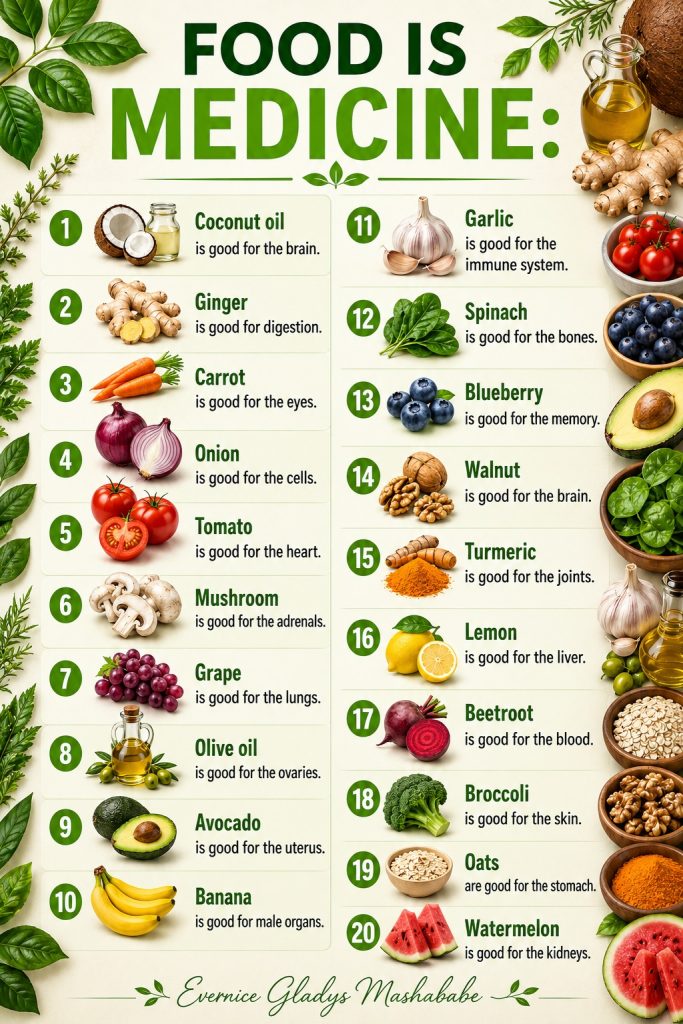
20 Nutrient-Rich Foods at a Glance
Here is the short version. Each food is covered in detail below, with what the research actually shows.
| Food | Main thing it delivers | Easiest way to use it |
|---|---|---|
| Coconut oil | Saturated fat and flavor | Small measured amounts only |
| Ginger | Gingerols, nausea relief | Grated into tea, soup or stir fry |
| Carrots | Beta carotene for vitamin A | Roasted with a little oil |
| Onions | Quercetin, salt free flavor | Base for soups and beans |
| Tomatoes | Lycopene and vitamin C | Cooked with olive oil |
| Mushrooms | Vitamin D2 when UV treated | Sauteed with garlic |
| Grapes | Fluid and polyphenols | Whole fruit, not juice |
| Olive oil | Monounsaturated fat | Dressings and low heat cooking |
| Avocado | Soluble fiber, unsaturated fat | Half on toast or in salad |
| Bananas | Potassium and quick energy | With yogurt or nut butter |
| Garlic | Allicin and flavor | Chopped, rested 10 minutes |
| Spinach | Vitamin K, folate, magnesium | Wilted into eggs or lentils |
| Blueberries | Anthocyanins and fiber | Fresh or frozen on oats |
| Walnuts | 2.5 g plant omega 3 per ounce | A small handful daily |
| Turmeric | Curcumin, color and flavor | Pinch in curries and rice |
| Lemon | Vitamin C, iron absorption | Squeezed over greens or fish |
| Beetroot | Dietary nitrate | Roasted or grated raw |
| Broccoli | Sulforaphane, vitamin C and K | Steamed, not boiled |
| Oats | Beta glucan soluble fiber | Plain rolled oats, cooked |
| Watermelon | About 92 percent water | Chilled cubes after activity |
Want food matched to a specific concern instead? See our guide to the best foods for 18 common health concerns.
1. Coconut Oil
Coconut oil is about 82 percent saturated fat, higher than butter or lard. Controlled trials show it raises LDL cholesterol. The American Heart Association advises against using it as a main cooking fat and recommends non tropical liquid oils instead.
Marketers often call it a brain food. No solid human evidence shows that eating coconut oil improves memory or prevents dementia. Adding spoonfuls to coffee has no proven benefit and adds roughly 120 calories each.
Best use: a small measured amount when the flavor genuinely suits the dish.
2. Ginger
Ginger has the strongest evidence of any spice on this list, and it is narrow. Multiple meta analyses support ginger for nausea and vomiting in pregnancy, and the American College of Obstetricians and Gynecologists lists it as a first line non drug option. Evidence for nausea after surgery is moderate. Evidence for chemotherapy nausea in adults is weak.
Most trials used concentrated supplements, not the pinch you put in a stir fry. Large doses can trigger heartburn, stomach pain or loose stools.
Best use: fresh grated ginger in tea, soup, lentils or a smoothie.
3. Carrots
Carrots supply beta carotene, which your body converts into vitamin A. Adults need about 900 mcg RAE of vitamin A daily for men and 700 mcg for women. One medium carrot covers a solid share of that. Vitamin A keeps the retina working, supports immune cells and helps skin and gut linings repair themselves.
Carotenoids need fat to absorb properly. Carrots eaten dry deliver far less than carrots roasted in oil or dipped in hummus. Eating extra carrots will not correct nearsightedness or remove the need for glasses.
Best use: roasted with a light coat of olive oil, or raw with a fat based dip.
4. Onions
Onions carry quercetin and sulfur compounds, plus prebiotic fibers that feed gut bacteria. Their real everyday value is flavor. A well cooked onion base lets you salt a dish far less and still enjoy it, which matters because most people eat too much sodium.
Saying onions are good for your cells means nothing. Every food supplies material your cells use. Onions do not selectively repair anything.
Best use: slow cooked as the base for soups, beans, eggs and curries.
5. Tomatoes
Tomatoes are the main dietary source of lycopene, and how you cook them changes everything. A randomized trial found that tomatoes cooked with olive oil raised plasma lycopene by 82 percent, while tomatoes cooked without oil produced no meaningful rise. Tomato paste delivers lycopene more efficiently than raw tomatoes because heat breaks down the cell walls.
Watch the label on jarred sauces. Many carry 400 mg or more of sodium per half cup plus added sugar. Low sodium canned tomatoes give you the same lycopene without that load.
Best use: cooked with olive oil, in sauce, shakshuka or a bean stew.
6. Mushrooms
Mushrooms contain ergosterol, which turns into vitamin D2 under ultraviolet light. Mushrooms grown in the dark have very little vitamin D. Mushrooms exposed to UV can jump to a full day of vitamin D in a single serving, and some brands now label them as UV treated. You can also slice mushrooms and leave them gill side up in midday sun for an hour or two.
Mushrooms also bring savory depth for very few calories, which helps when you want less meat in a dish. Claims about supporting the adrenal glands have no clinical backing. Never eat wild mushrooms unless an expert has identified them.
Best use: sauteed hard in a dry pan first, then finished with garlic and herbs.
7. Grapes
Grapes supply water, natural sugars and polyphenols including resveratrol. The resveratrol amounts in food are far below the doses used in research, so treat that as a bonus and not a reason to eat them.
Grapes are easy to overeat because they need no preparation. A cup holds about 100 calories and 23 g of carbohydrate. Portion them into a bowl instead of picking from the bunch. Whole grapes also beat grape juice, which strips the fiber and concentrates the sugar. They do not clean or strengthen the lungs.
Best use: a measured cup with nuts or plain yogurt, or frozen as a cold snack.
8. Olive Oil
Olive oil is roughly 73 percent monounsaturated fat and only 14 percent saturated. Extra virgin olive oil also carries polyphenols such as oleocanthal that refined oils lose. It anchors the Mediterranean pattern, which has the deepest trial evidence of any eating style for heart health.
The benefit comes from replacement. Olive oil helps when it takes the place of butter, ghee or palm oil. Pouring it on top of everything you already eat just adds 120 calories per tablespoon. No evidence links olive oil to ovarian health specifically.
Best use: measured by the spoon for dressings, drizzles and moderate heat cooking.
9. Avocado
Avocado got a proper test in the Habitual Diet and Avocado Trial, which gave 1,008 adults with larger waistlines one avocado a day for six months. The headline result was negative. Daily avocado did not reduce visceral belly fat, the fat that wraps around your organs.
Secondary results were better. The avocado group saw modest drops in total and LDL cholesterol, better overall diet quality and no weight gain. One avocado carries about 3.3 g of soluble fiber, which likely explains the cholesterol shift. Reproductive health depends on hormones, age and medical care, not on avocado.
Best use: a quarter to a half swapped in for butter, mayo or a creamy dressing.
10. Bananas
A medium banana holds around 420 mg of potassium, 3 g of fiber and 105 calories. Potassium helps blunt the blood pressure effect of sodium, and most people fall short of the daily target. Slightly green bananas also carry resistant starch, which feeds gut bacteria and blunts the blood sugar rise.
Claims that bananas support male organs are vague and unsupported. No fruit treats infertility, erectile dysfunction or prostate disease. Pair a banana with protein or fat rather than eating it alone on an empty stomach, a point we cover in our list of foods to avoid on an empty stomach.
Best use: half a banana with plain yogurt, oats or unsweetened nut butter.
11. Garlic
Garlic research mostly tests supplements, not cloves. Reviews find fairly consistent drops in total cholesterol, with mixed effects on LDL and HDL. Blood pressure results lean positive but the size of the effect sits close to normal measurement variation, so treat the claims carefully.
Allicin, the compound behind most of this, only forms after you damage the clove. Chop or crush garlic and let it sit about 10 minutes before it hits heat. Garlic in food amounts is safe for nearly everyone. Concentrated supplements can raise bleeding risk, which matters for anyone on anticoagulants or heading into surgery.
Best use: chopped, rested, then added late so it does not burn.
12. Spinach
One cup of raw spinach carries roughly 145 mcg of vitamin K, which already exceeds the daily adequate intake of 90 mcg for women and 120 mcg for men. Vitamin K drives normal blood clotting and helps bind calcium into bone. Spinach also delivers folate, magnesium, lutein and zeaxanthin.
Spinach iron is non heme iron and absorbs poorly on its own. Pair it with a vitamin C source such as lemon or tomato. Anyone taking warfarin should keep vitamin K intake steady week to week rather than dropping spinach suddenly.
Best use: wilted into eggs, lentils or soup right before serving.
13. Blueberries
Blueberries are the most oversold brain food on this list, and the trial data explains why you should stay calm. The 2023 MIND diet trial followed 604 older adults for three years. The MIND group, which featured berries and leafy greens, improved cognition slightly more than the control group but the difference was not statistically significant. Both groups lost about 5 kg, and researchers think the weight loss drove most of the benefit.
Blueberries still earn their spot. One cup gives 3.6 g of fiber and a heavy dose of anthocyanins for 84 calories. Frozen unsweetened berries hold their anthocyanins well and cost far less.
Best use: a cup on oats or yogurt, fresh or frozen.
14. Walnuts
One ounce of walnuts, about 14 halves, delivers 2.5 g of alpha linolenic acid. That single serving covers the full daily adequate intake of this plant omega 3 for both men and women. Almonds, cashews and pistachios supply almost none. That is what makes walnuts different.
The FDA granted walnuts a qualified health claim: supportive but not conclusive research shows that 1.5 ounces a day, as part of a diet low in saturated fat, may reduce coronary heart disease risk. Note the phrase not resulting in increased caloric intake. Walnuts help when they replace chips or crackers, not when they pile on top.
Best use: a small unsalted handful as a snack or salad topper.
15. Turmeric
Turmeric in your curry pot and curcumin in a capsule are two different things. NCCIH states that conventional oral turmeric is likely safe in normal amounts for two to three months, but flags that high absorption formulations may harm the liver. Turmeric supplements now account for dozens of documented cases of acute liver injury in the United States.
Products that add piperine from black pepper raise curcumin absorption dramatically, which is exactly why several liver injury cases involved them. Stop any turmeric product and call your doctor if you notice fatigue, dark urine, poor appetite or yellowing skin. Culinary turmeric carries none of these concerns.
Best use: a pinch in lentils, rice or roasted vegetables, cooked in a little fat.
16. Lemon
The juice of one lemon supplies about 20 mg of vitamin C, roughly a quarter of the daily target. Vitamin C builds collagen, aids wound healing and sharply improves absorption of plant iron from beans and greens. Lemon also lets you cut back on salt and heavy dressings.
Lemon water does not detox the liver or burn liver fat. Real fatty liver care runs on diet quality, activity and gradual weight loss, which we break down in our fatty liver diet guide. Sipping acidic drinks all day can also erode enamel and aggravate reflux.
Best use: squeezed over greens, beans or fish at the table.
17. Beetroot
Beetroot is one of the richest food sources of dietary nitrate. Your body converts nitrate to nitric oxide, which relaxes blood vessels. Pooled trials of beetroot juice show systolic blood pressure dropping by roughly 4 mmHg, with a smaller and less certain effect on diastolic pressure. Most of those studies ran hours to a couple of weeks, so long term proof is still thin.
Almost all of this research used concentrated juice, not roasted beets. Whole beetroot still gives you fiber, folate and nitrate with far less sugar. Beets can turn urine pink, which is harmless. Anyone with calcium oxalate kidney stones or a potassium restriction should ask their clinician first.
Best use: roasted in wedges or grated raw into a salad.
18. Broccoli
Broccoli stores glucoraphanin, which converts to sulforaphane only when the enzyme myrosinase meets it. Chopping and chewing trigger that reaction. Boiling destroys myrosinase, so boiled broccoli yields far less sulforaphane. Chop your broccoli and let it rest a few minutes before cooking, and steam rather than boil.
Adding a pinch of mustard powder to already cooked broccoli restores the enzyme and raises sulforaphane several fold. One cup also brings about 81 mg of vitamin C, more than an orange, plus vitamin K and fiber. Broccoli supports skin nutrition but treats no skin condition. For that angle see our guide to anti aging foods for skin.
Best use: chopped, rested, then steamed 4 to 5 minutes until bright green.
19. Oats
Oats carry the clearest proven benefit of any food here. Beta glucan, their soluble fiber, forms a gel that traps bile acids and forces the liver to pull cholesterol from the blood. The FDA and EFSA both recognize 3 g of beta glucan a day as the threshold. Meta analyses put the result at roughly 5 percent lower total cholesterol and 7 percent lower LDL.
Half a cup of dry rolled oats gives you about 2 g of beta glucan, so a generous bowl gets you close to target. Instant flavored packets often carry 10 g or more of added sugar per serving. Oats do not treat ulcers, reflux or inflammatory bowel disease.
Best use: plain rolled oats cooked with water or unsweetened milk, topped with fruit and nuts.
20. Watermelon
Watermelon runs about 92 percent water, which puts it among the most hydrating foods you can eat. Food supplies roughly 20 percent of most people’s daily fluid, so water rich fruit genuinely counts. Watermelon also carries lycopene and citrulline for about 46 calories a cup.
Watermelon does not flush or cleanse the kidneys. Anyone with reduced kidney function may need to watch potassium and fluid volume. For more water rich options see our ranked list of the most hydrating foods by water content.
Best use: chilled cubes with mint and cucumber after activity or on a hot day.
Why No Single Food Targets One Organ
Your body does not sort food by organ. Nutrients get digested, absorbed into the bloodstream and distributed wherever they are needed. Walnut shape has nothing to do with brains.
- Vitamin C from lemons and tomatoes builds collagen in skin, gums, blood vessels and joints alike.
- Vitamin A from carrots serves vision, immune cells, skin and reproduction.
- Unsaturated fat from olive oil and avocado changes your whole blood lipid picture, not one vessel.
- Fiber from oats and vegetables affects blood sugar, cholesterol, fullness and gut bacteria at once.
- Omega 3 fat from walnuts gets built into cell membranes throughout the body.
Foods contribute nutrients to your whole system. That is the accurate claim, and it is still a good reason to eat well.
How to Build a Plate Around Nutrient-Rich Foods
Skip the checklist mentality. Aim for this shape most days:
- Half your plate vegetables and whole fruit, in several different colors
- A quarter protein: beans, lentils, fish, eggs, tofu, yogurt or lean poultry
- A quarter whole grains or starchy vegetables such as oats, brown rice or potatoes
- A measured serving of unsaturated fat: olive oil, nuts, seeds or avocado
- Water or unsweetened drinks with the meal
- Less added sugar, less sodium and fewer highly processed foods overall
Frozen and canned count. Frozen berries, frozen spinach and low sodium canned tomatoes carry nearly the same nutrition as fresh at a fraction of the price, and they do not spoil while you get around to them.
Frequently Asked Questions About Nutrient-Rich Foods
Final Thoughts on Nutrient-Rich Foods
These 20 nutrient-rich foods all earn a place on your plate, just not for the reasons the internet usually gives. Oats and walnuts have real measured effects on cholesterol. Ginger has real evidence for pregnancy nausea. Tomatoes and carrots need fat alongside them to give up their carotenoids. Coconut oil and turmeric supplements deserve more caution than praise.
Nothing here repairs a single organ on its own. Build meals around variety, sensible portions, minimally processed ingredients, regular movement, decent sleep and real medical care when you need it. That combination outperforms any superfood list, including this one. Want seasonal ideas next? Try our guide to body cooling foods for summer.
Medical Disclaimer
This article is for general education only and does not diagnose, treat, cure or prevent disease. Anyone with a chronic condition, food allergy, prescribed diet or regular medication should get personalized guidance from a qualified healthcare professional.
About the Author and Reviewer
Mezbaul Islam, MSc Nutrition owns and writes Simple Health Naturally. He researches each article from public health guidance, clinical guidelines and peer reviewed studies, and traces every figure back to a named source.
Dr. Obeydur Rahman, MBBS, MD in Medicine edits the articles, checks the sources cited and is responsible for the site’s editorial standards. MD in Medicine is the specialty for adult conditions such as liver disease, type 2 diabetes and high blood pressure.
Read more about our authors and reviewers or see our editorial policy.
Edited by Dr. Obeydur Rahman, MBBS, MD in Medicine.