Your liver runs more than 500 jobs a day, from clearing medicines out of your blood to storing energy and making bile for digestion. It also stores fat, and when too much builds up inside it, the result is now called metabolic dysfunction associated steatotic liver disease, or MASLD. It affects roughly 38 percent of adults worldwide. The good news is that the foods that support liver health are ordinary groceries, not exotic powders, and the strongest evidence sits behind a handful of them.
This guide grades all ten by how strong the human evidence actually is, gives you the amounts that were studied, and is honest about the ones that made this list on reputation rather than data. No food cleanses or detoxes anything. Your liver already does that.
Medical Disclaimer: This article is educational and is not medical advice. If you have liver disease, diabetes, or take prescription medicines, speak to your doctor before making big dietary changes. Read our medical disclaimer, editorial policy and fact checking policy.
How Strong Is the Evidence, Really?
Almost every liver food article treats all ten items as equal. They are not. Some have been tested in randomised trials with liver scans. Others rest on population surveys, or on studies of concentrated supplements that bear little resemblance to the food on your plate.
Two facts set the frame. First, the 2024 EASL, EASD and EASO clinical practice guidelines name only one eating pattern for MASLD: the Mediterranean diet. Not a single food, a pattern. They also advise limiting ultra processed food and avoiding sugar sweetened drinks, both as strong recommendations. Second, body weight is the strongest dietary lever there is. The same guidelines set the targets plainly: at least 5 percent weight loss to reduce liver fat, 7 to 10 percent to improve liver inflammation, and at least 10 percent to improve fibrosis.
So the honest framing is this: these foods matter mostly because of the pattern they build and the calories they displace. Read the tiers below with that in mind.
Tier 1: The Foods That Support Liver Health With the Best Evidence
1. Coffee
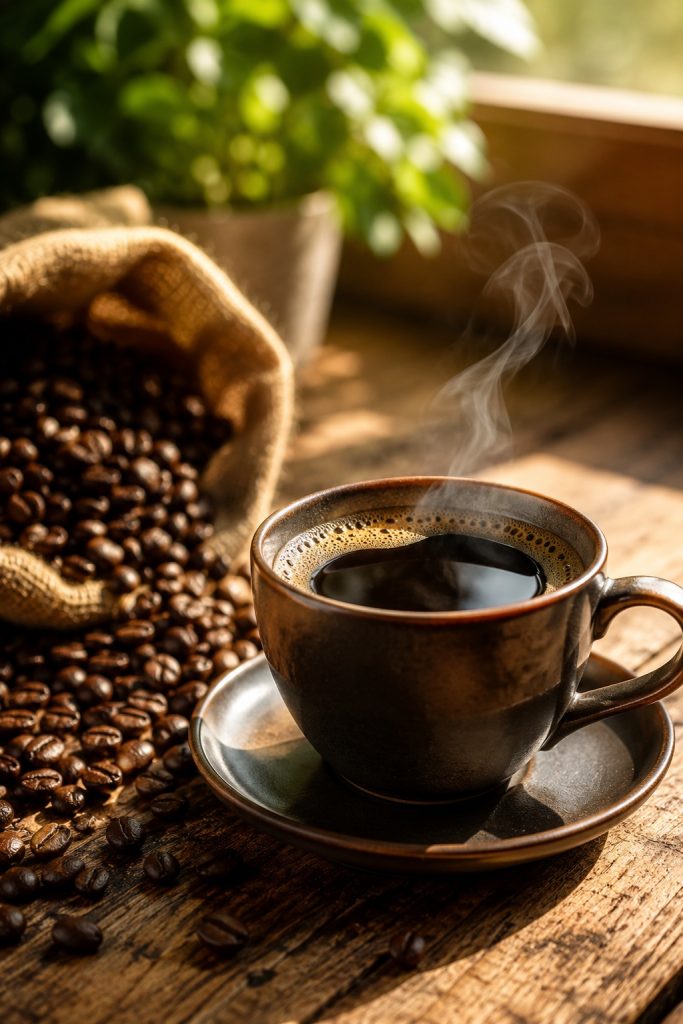
Coffee has the most consistent liver data of anything you can buy in a supermarket. Across pooled studies, drinking 3 or more cups a day is linked to lower MASLD risk than drinking fewer than 2, and the association is stronger and more reliable for fibrosis, meaning scarring, than for simple fat build up. In people who already have MASLD, 2 or more cups a day tracks with a lower risk of advanced fibrosis.
Two details most articles miss. Decaffeinated coffee shows a similar protective pattern, which suggests caffeine is not the active ingredient and that chlorogenic acids and other polyphenols are doing the work. And unfiltered coffee, meaning French press, cafetiere and espresso, keeps compounds called cafestol and kahweol that raise LDL cholesterol. If your cholesterol is high, filtered coffee is the safer default.
- Studied range: benefit appears from 1 cup, and looks greatest around 4 to 6 cups a day
- Caffeine ceiling: about 400 mg a day for most adults, roughly 4 brewed cups, and 200 mg in pregnancy
- The catch: the European guidelines grade this evidence as observational only, so it shows association rather than proof of cause
- What cancels it: a large flavoured latte can carry 40 to 60 g of sugar, which works against your liver
Full detail on doses, timing and who should skip it is in our guide to coffee and liver health.
2. Extra Virgin Olive Oil
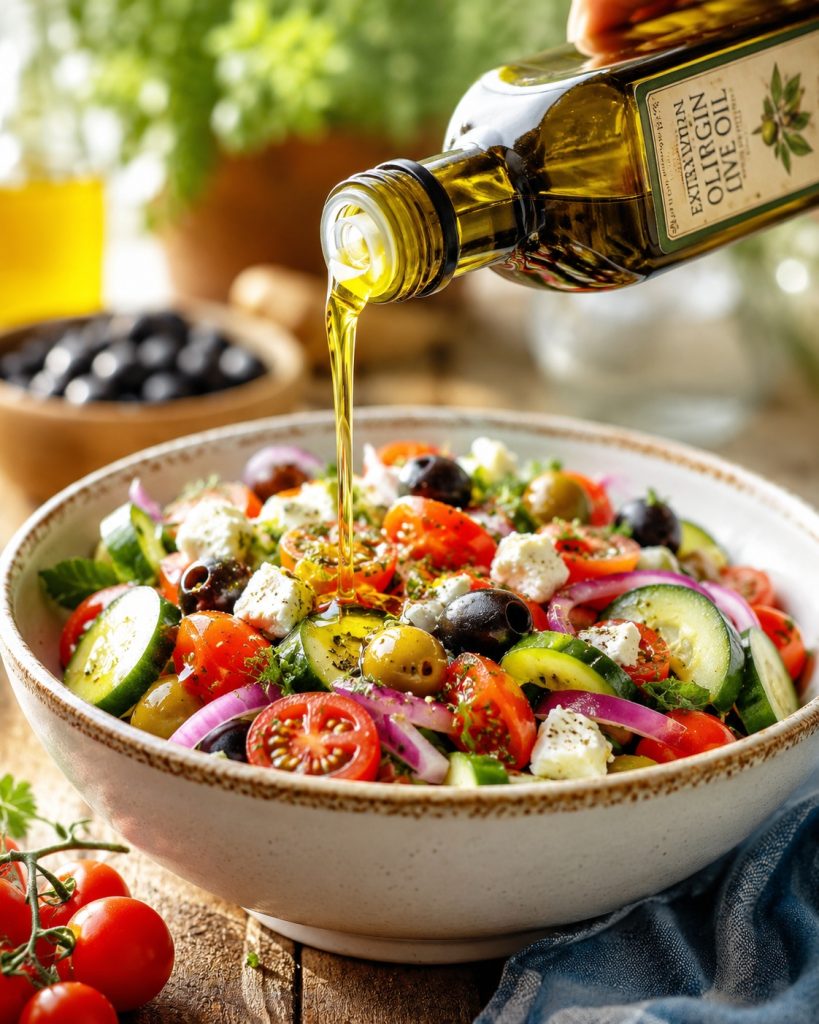
Olive oil is the fat that carries the Mediterranean pattern, and it has been tested directly with liver imaging. In one randomised trial, getting 28 percent of daily energy as monounsaturated fat from olive oil cut liver fat by about 17 percent in 12 weeks, with no weight loss and no extra exercise. A separate trial found that 20 g a day, roughly one and a half tablespoons, improved fatty liver grade on ultrasound.
The pattern trials are stronger still. A 6 week crossover study in 12 people with biopsy confirmed fatty liver found a 39 percent reduction in liver fat on a Mediterranean diet against 7 percent on standard advice, with no difference in weight change. That trial was tiny. A larger 12 week trial found a 32 percent relative reduction on the Mediterranean diet and 25 percent on a low fat diet, a difference that was not statistically significant. Read together: the Mediterranean pattern reliably lowers liver fat, and it does so partly without weight loss, but it is not magic compared with any other decent diet.
- Per tablespoon: 119 kcal, 13.5 g fat, about 10 g monounsaturated fat
- Practical dose: 2 to 4 tablespoons a day, used in place of butter and refined seed oils rather than added on top
- Buy: extra virgin, in dark glass or tin, with a harvest date on the label
3. Oily Fish
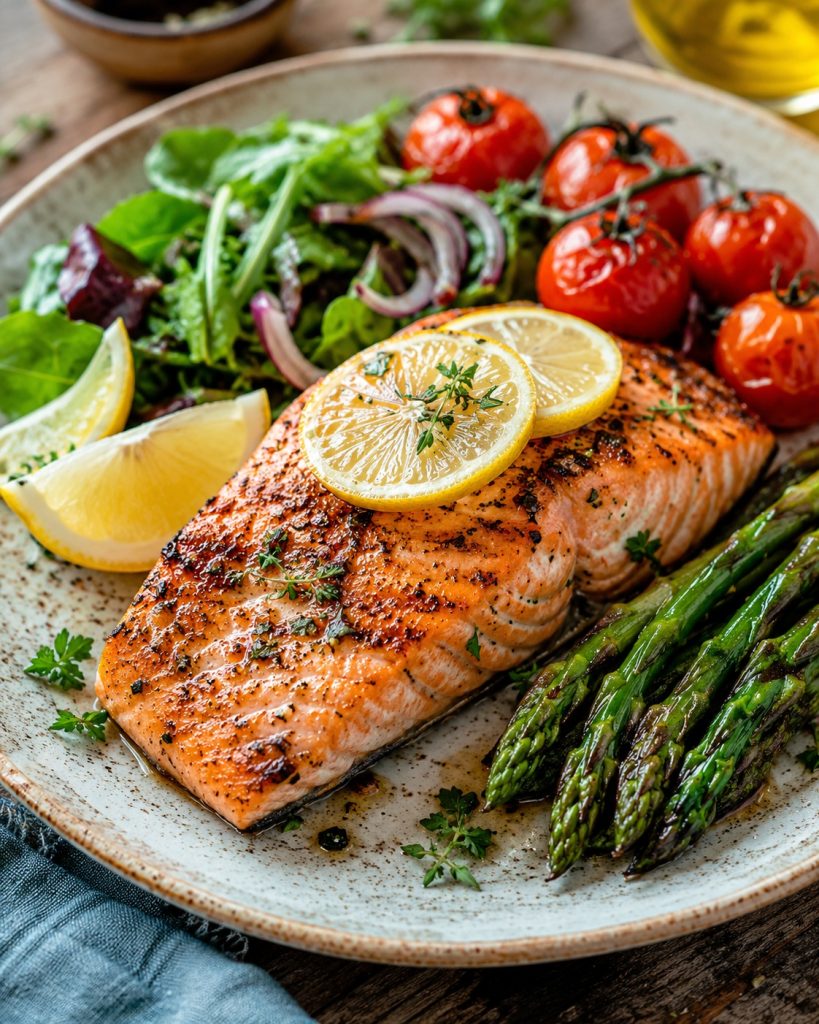
Oily fish earns its place, but with a caveat worth knowing before you buy capsules. A 2025 meta analysis of 20 randomised trials in 1,615 people found omega-3 supplements improved GGT and steatosis measured on ultrasound, but showed no significant effect on ALT, AST, liver fat measured by MRI, liver stiffness, or biopsy findings. MRI is the more accurate measure. The dose response curve flattened at about 2.14 g a day.
The sensible reading is to eat the fish and skip the supplement, unless your doctor has prescribed one for triglycerides. Whole fish also brings protein, selenium, iodine and vitamin D, and it displaces red and processed meat from your week.
- Target: two servings a week, about 230 g total
- Best choices: salmon, sardines, trout, herring and Atlantic mackerel, each supplying roughly 1 to 2.5 g of EPA plus DHA per 100 g
- Limit for mercury: king mackerel, swordfish, shark, tilefish and bigeye tuna, noting that king mackerel is a different fish from Atlantic mackerel
- Cheapest option: tinned sardines, around 1.4 g of EPA plus DHA per 100 g
Tier 2: Good Evidence, Mostly Through the Pattern
These six have solid nutritional credentials and appear in every trial diet that lowered liver fat. What they lack is a trial testing that single food against a liver scan. They work by building the pattern, adding fibre, and pushing refined carbohydrate and processed meat off the plate.
4. Leafy Green Vegetables
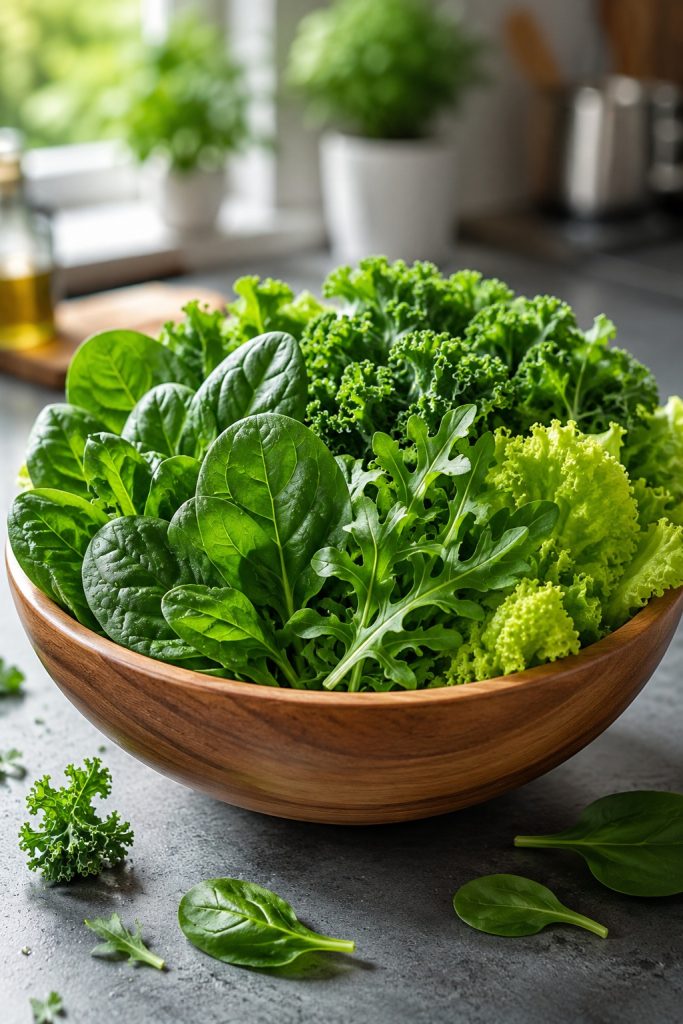
Spinach, kale, rocket, chard and romaine give you volume and micronutrients for very few calories, which matters when weight is the main lever. Cooked spinach delivers 23 kcal, 2.9 g protein, 2.2 g fibre and 194 mcg of folate per 100 g, close to half a day’s folate in one small side.
Greens also carry dietary nitrate, which the body converts into nitric oxide. That link to liver fat is mostly from animal work and population studies so far, so treat it as promising rather than proven. Our full breakdown of the best vegetables for liver health covers the ranking in detail.
5. Cruciferous Vegetables
Broccoli, cauliflower, Brussels sprouts, cabbage and bok choy contain glucoraphanin, which converts to sulforaphane when the vegetable is chopped or chewed. This is one of the few plant compounds with real human liver trials behind it. In a 24 week randomised trial, 70 middle aged adults with high normal liver enzymes took a glucoraphanin enriched broccoli sprout supplement or placebo, and ALT improved significantly in the supplement group. An earlier 2 month trial in men with fatty liver found similar improvements in ALT and GGT.
Note carefully what was tested: concentrated broccoli sprout extract, not steamed florets. Eating broccoli is a sound idea, but do not expect the trial results from a side of vegetables.
- Broccoli, cooked, 100 g: 35 kcal, 2.4 g protein, 3.3 g fibre, 65 mg vitamin C
- Cooking tip: chop and rest for 40 minutes before cooking, or steam lightly, to preserve more sulforaphane
- Check first: large amounts can interfere with warfarin because of vitamin K
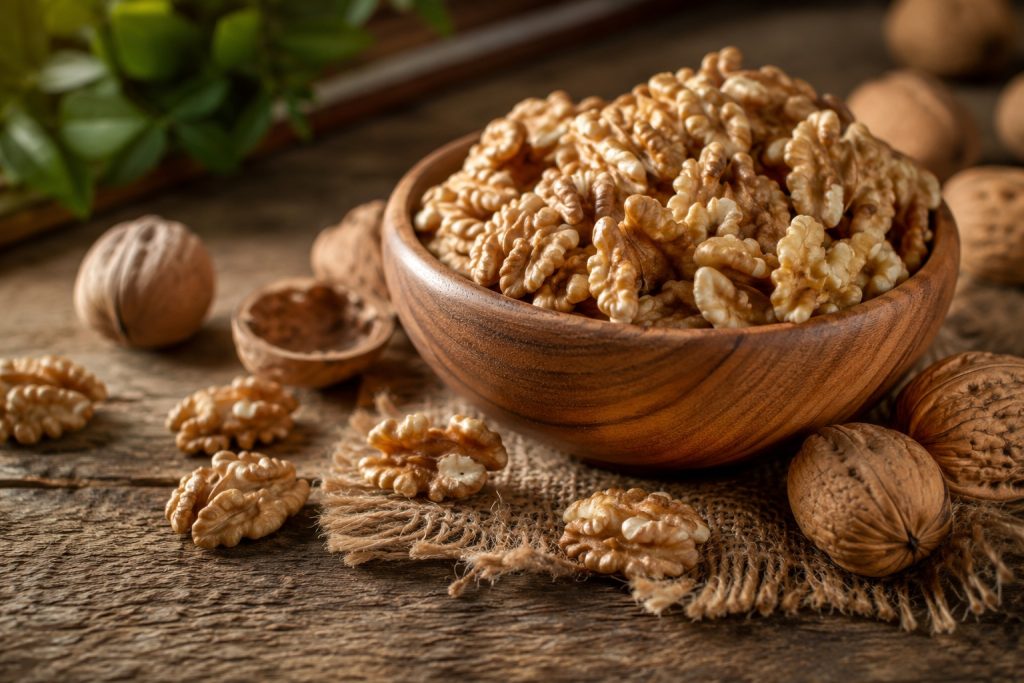
6. Walnuts
A review of 11 studies found that people with the highest nut intake had about 10 percent lower odds of fatty liver than those with the lowest, with a slightly stronger signal in women. That is observational, and nut eaters tend to differ in other ways too.
Walnuts stand out among nuts for alpha linolenic acid, the plant form of omega-3. They are also energy dense, so portion size is the whole game when body weight is your main lever.
- Per 28 g, about a small handful: 185 kcal, 4.3 g protein, 1.9 g fibre, 2.5 g alpha linolenic acid
- Portion discipline: measure the handful once so you know what 28 g looks like, because it is smaller than most people guess
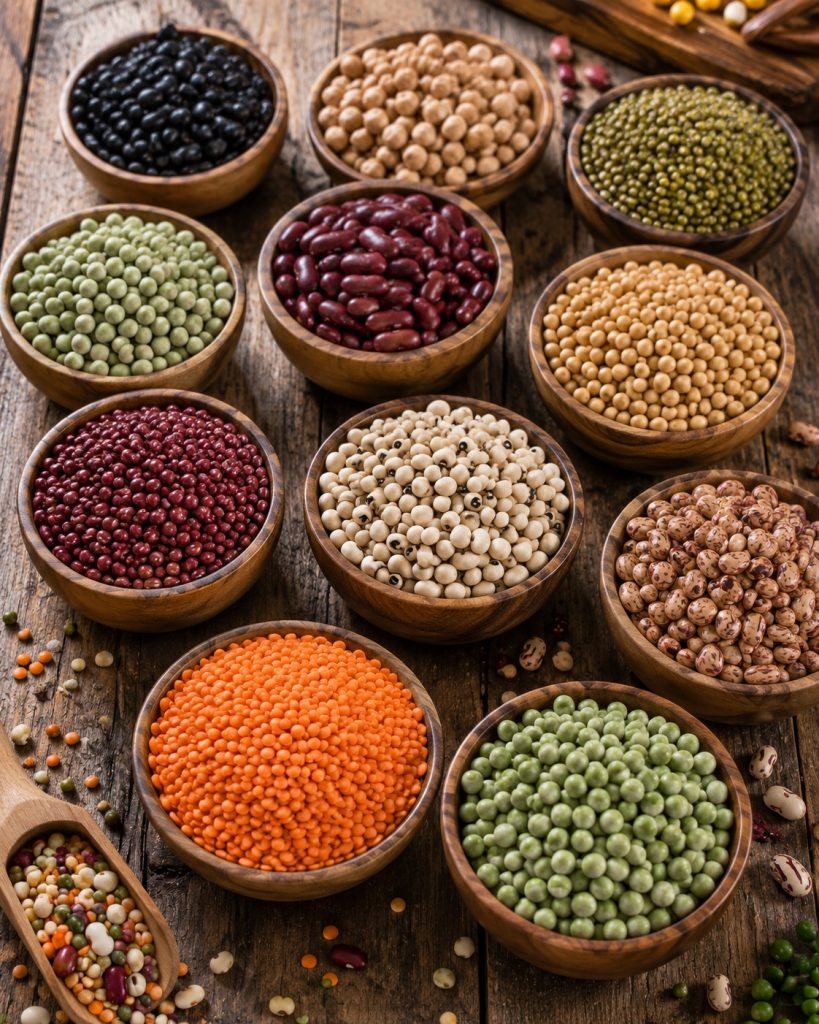
7. Beans and Legumes
Beans are the cheapest useful thing on this list. They are filling, they blunt the glucose rise from a meal, and they take the place of refined starch and processed meat. Most adults eat around 15 g of fibre a day against a 25 to 30 g target, and a single cup of lentils closes much of that gap.
- Lentils, cooked, 100 g: 116 kcal, 9 g protein, 7.9 g fibre
- Black beans, cooked, 100 g: 132 kcal, 8.9 g protein, 8.7 g fibre
- Chickpeas, cooked, 100 g: 164 kcal, 8.9 g protein, 7.6 g fibre
- If they cause bloating: start at 2 tablespoons a day and build up over 2 to 3 weeks, and rinse tinned beans well
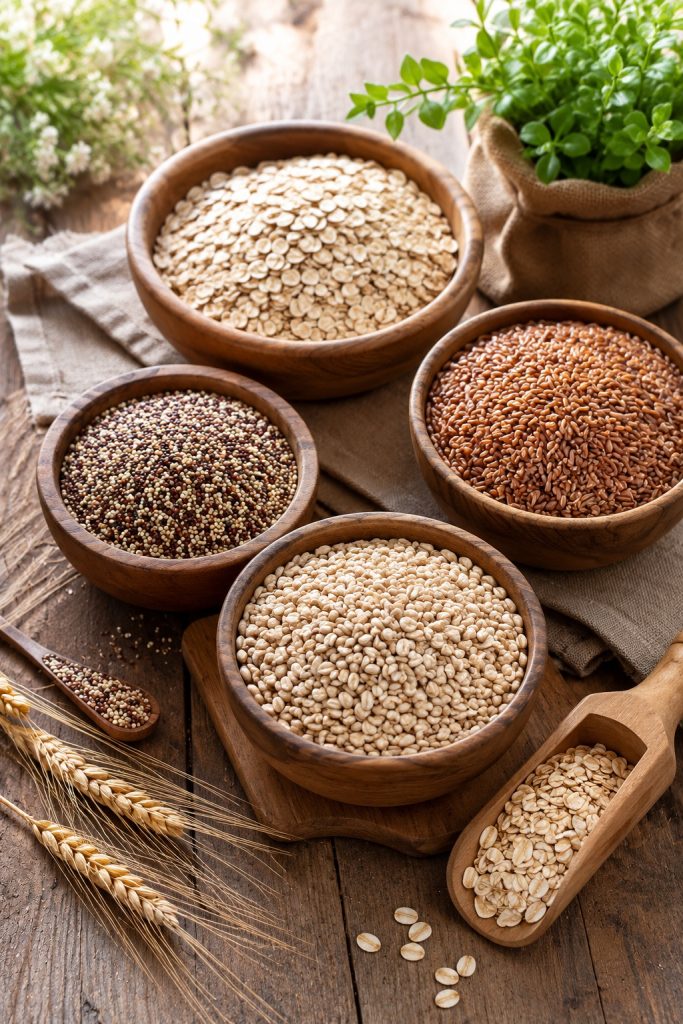
8. Whole Grains
The gain here comes from the swap, not the addition. Replacing white bread, white rice and refined breakfast cereal with whole grain versions raises fibre and slows glucose absorption, and higher whole grain intake tracks with lower rates of fatty liver in population studies.
- Oats, 40 g dry: 150 kcal, 5 g protein, 4 g fibre, about 1.5 g beta glucan
- Barley: the highest beta glucan content of the common grains, and good in soups and salads
- Label check: the first ingredient should read whole grain or wholemeal, since brown colouring means nothing
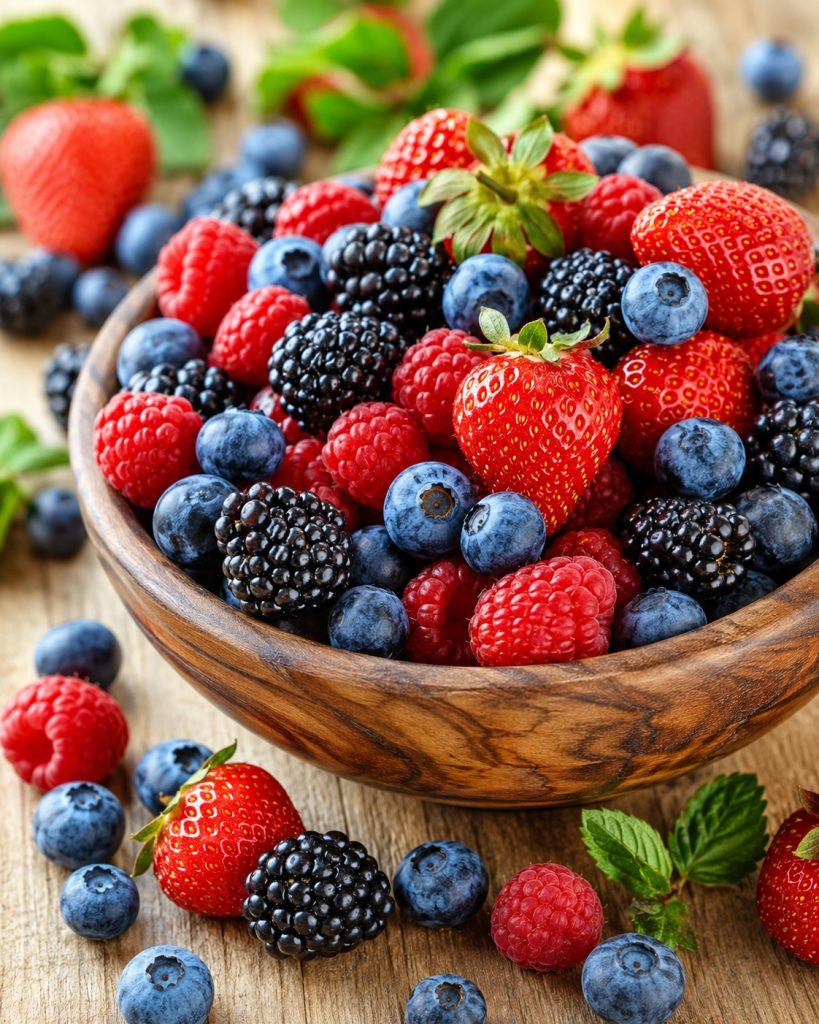
9. Berries
Berries are here to settle an argument. Many people with fatty liver cut fruit out because they have read that fructose harms the liver. That advice confuses whole fruit with sugary drinks. Whole fruit comes packaged with fibre and water, arrives in the gut slowly, and is not linked to liver fat in the way beverages are.
Berries also happen to be the lowest sugar fruit family and the richest in anthocyanins, the pigments that make them dark. Human trials on berries and liver outcomes remain small and short, so enjoy them as good food rather than treatment. Our guide to fruits that may support a healthy liver covers the rest of the fruit bowl.
- Blueberries, 100 g: 57 kcal, 2.4 g fibre, 9.7 g natural sugar
- Frozen counts: frozen berries are picked ripe and are usually cheaper than fresh
Tier 3: Popular, but the Evidence Is Thin
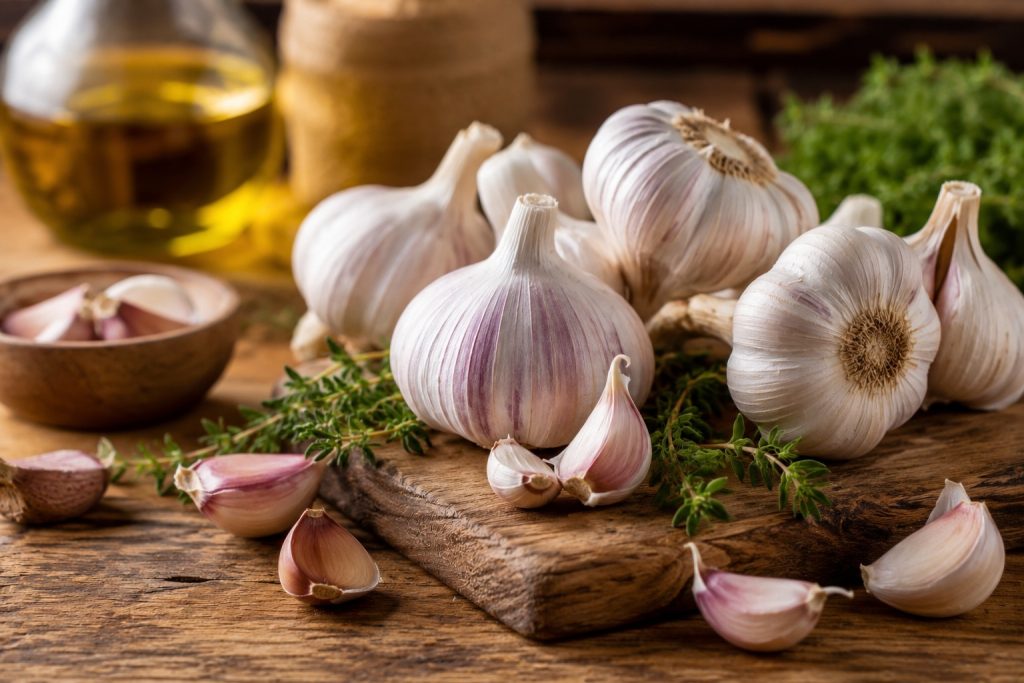
10. Garlic
Garlic appears on every liver list, and the trials behind it are small and used garlic powder capsules at roughly 400 to 1,600 mg a day, not cloves from a kitchen. Culinary garlic has essentially never been tested against a liver scan. It is a superb way to make vegetables and beans taste good, which is a real contribution, but it is a flavour tool rather than a medicine.
Garlic supplements are a different matter. They can raise bleeding risk and interact with warfarin and other blood thinners, so clear them with your doctor first.
What You Remove Matters More Than What You Add
This is the part most food lists skip, and it has the better evidence. In a randomised trial, 94 healthy men drank beverages sweetened with 80 g a day of fructose, sucrose or glucose for 7 weeks. Fructose and sucrose roughly doubled the rate at which their livers manufactured fat. Glucose did not. Read the full trial in the Journal of Hepatology. For scale, 80 g of sugar is about two 500 ml bottles of regular soft drink.
- Sugary drinks: soft drinks, sweetened coffee, energy drinks and fruit juice, which is the single highest value swap on this page
- Alcohol: even low to moderate intake is associated with more fibrosis when you already have MASLD. Above 20 g a day for women or 30 g a day for men, the diagnosis itself changes category
- Ultra processed food: packaged snacks, sweetened cereals and ready meals, which crowd out everything in Tier 1 and Tier 2
- Deep fried food and processed meat: bacon, salami, sausages and hot dogs
The detailed version, with quantities, is in foods to avoid if you have fatty liver.
Putting These Foods That Support Liver Health on One Plate
Nobody eats a list. Here is the pattern the trials actually used, expressed as a day.
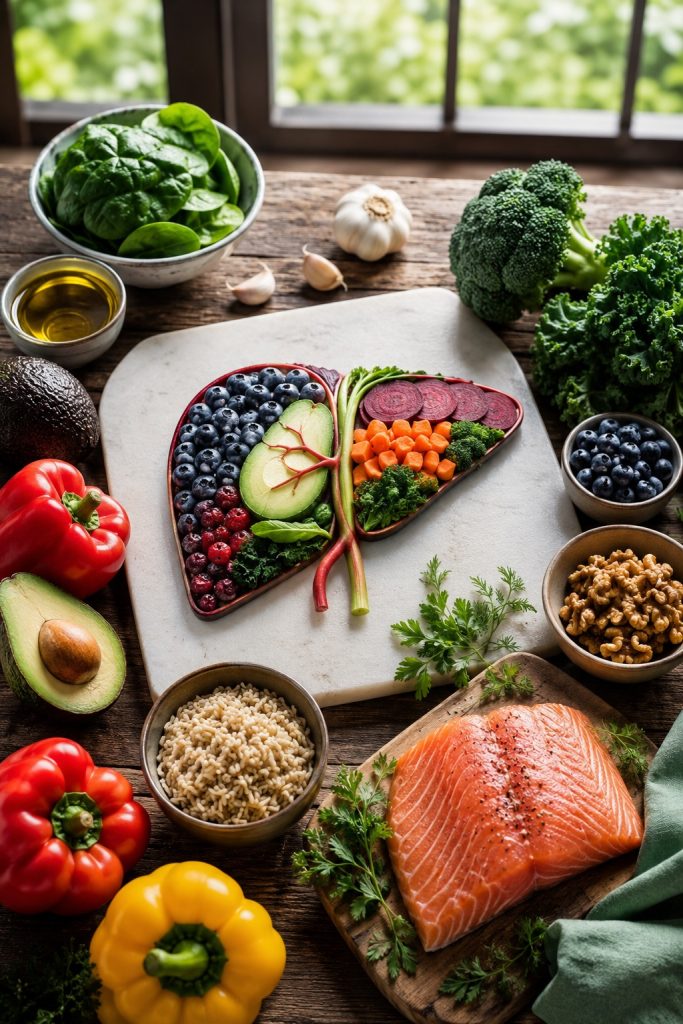
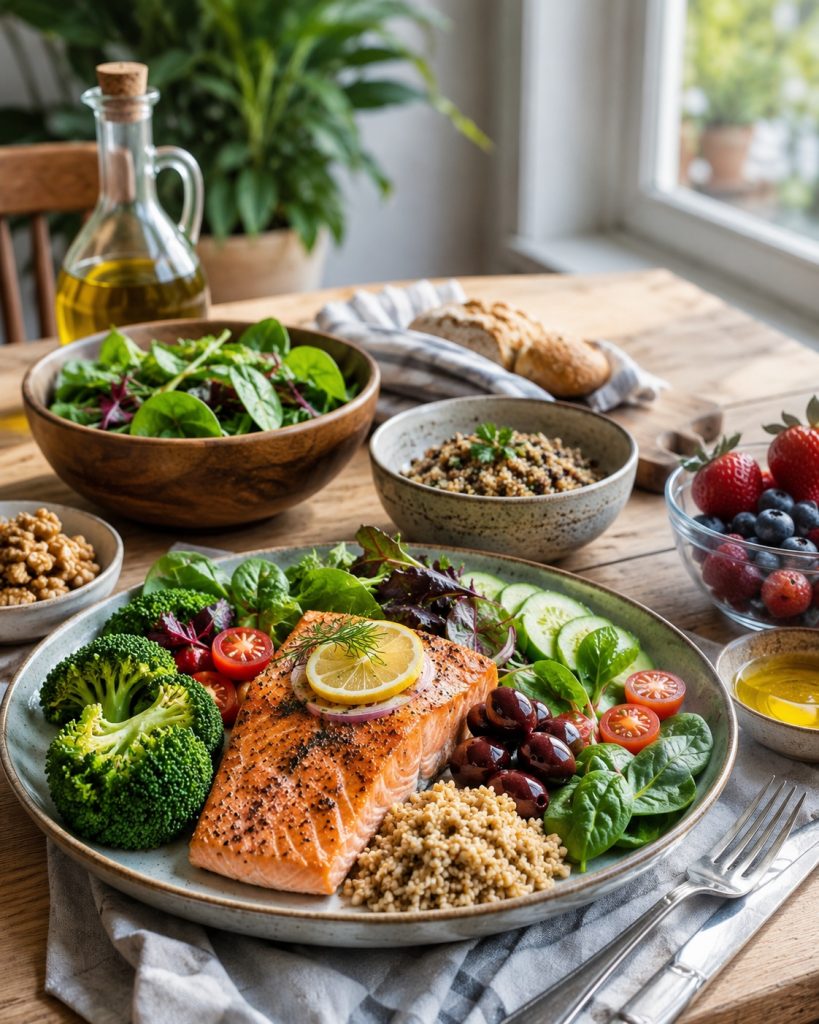
- Morning: oats with berries and a small handful of walnuts, plus filtered coffee
- Midday: a large salad of leafy greens with beans or lentils, dressed with olive oil and lemon
- Evening: oily fish twice a week, otherwise beans or poultry, with a cruciferous vegetable and a whole grain
- All day: water, tea or coffee instead of anything sweetened
If you want this laid out meal by meal, see our 7 day fatty liver meal plan, or the fuller fatty liver diet guide.
What Moves Liver Numbers More Than Any Single Food
- Weight change: at least 5 percent reduces liver fat, 7 to 10 percent reduces inflammation, at least 10 percent is needed before scarring improves
- Exercise: around 150 minutes a week of moderate activity lowers liver fat even when the scales do not move, and resistance training helps too
- Managing diabetes and blood pressure: MASLD travels with them, and treating them well protects the liver
- Getting assessed: a simple FIB-4 score from routine blood tests tells your doctor whether you need further liver checks
There are now approved medicines for advanced fatty liver disease as well. Our guide to lifestyle habits that support liver health covers those and the daily routines that matter most.
A Word on Liver Supplements
Products marketed as liver cleanses or detoxes have no good evidence behind them, and some carry real risk. Green tea extract is the clearest example. Brewed green tea is fine for most people, but concentrated extract is a well documented cause of liver injury, with cases reported at doses at or above about 800 mg of EGCG a day, usually after 2 weeks or more of daily use. The irony of damaging your liver with a liver supplement is worth avoiding. See our full piece on green tea and liver health.
When to Speak to a Doctor
Early fatty liver usually causes no symptoms at all, which is why it is so often found by accident on a blood test or scan. Book an appointment if you notice:
- Yellowing of the skin or the whites of the eyes
- Swelling of the abdomen or the ankles
- Persistent pain under the right ribs
- Dark urine, pale stools, or easy bruising
- Confusion or unusual drowsiness, which needs urgent attention
If you have type 2 diabetes, obesity, or raised liver enzymes on a past blood test, ask about liver assessment even without symptoms. More detail is in signs of fatty liver disease you should not ignore.
Frequently Asked Questions
What are the best foods that support liver health?
Coffee, extra virgin olive oil and oily fish have the strongest human evidence. Leafy greens, cruciferous vegetables, walnuts, beans, whole grains and berries have good supporting evidence, mostly through the Mediterranean pattern rather than as individual foods. Garlic is popular but barely tested as a food.
Can any food detox or cleanse the liver?
No. Your liver is the detox organ, and it does not need help from a juice, tea or powder. Products sold as liver cleanses have no good evidence behind them, and a few, including concentrated green tea extract, have caused liver injury.
How much coffee should I drink for liver health?
Studies suggest benefit from 1 cup a day, with the strongest signal around 3 or more cups. Keep total caffeine under about 400 mg a day, roughly 4 brewed cups, or 200 mg in pregnancy. Skip the sugar and syrups, which work against the liver.
Does decaf coffee help the liver too?
Decaffeinated coffee shows a similar protective association in the research, which suggests caffeine is not the active ingredient. Polyphenols such as chlorogenic acids are the more likely explanation. Decaf is a reasonable choice if caffeine keeps you awake or raises your blood pressure.
Is fruit bad for fatty liver because of fructose?
No. The fructose problem is with sugary drinks and added sugars, not whole fruit. Whole fruit arrives packaged with fibre and water and is absorbed slowly. Fruit juice is different and behaves more like a soft drink, so eat the fruit rather than drinking it.
Should I take a fish oil supplement for my liver?
Probably not for the liver alone. A 2025 meta analysis of 20 trials in 1,615 people found omega-3 supplements improved GGT and ultrasound measured steatosis, but had no significant effect on ALT, AST, liver fat on MRI, stiffness or biopsy findings. Eating two servings of oily fish a week is the better bet unless your doctor has prescribed omega-3 for triglycerides.
How much weight do I need to lose to change my liver?
The 2024 European guidelines set three targets: at least 5 percent of body weight to reduce liver fat, 7 to 10 percent to improve liver inflammation, and at least 10 percent to improve fibrosis. For someone weighing 90 kg, 5 percent is about 4.5 kg.
Is any amount of alcohol safe if I have fatty liver?
Research links even low to moderate drinking with more liver scarring in people who already have MASLD, so less is better and none is safest. Above 20 g a day for women or 30 g a day for men, roughly two small drinks, the condition is reclassified as MetALD. Discuss your own limit with your doctor.
Are milk thistle and other liver supplements worth taking?
Evidence for milk thistle is weak and inconsistent, and no supplement is approved for fatty liver disease. Some herbal products cause liver injury themselves. Tell your doctor about anything you take, since supplements are a common and often missed cause of abnormal liver tests.
How long before diet changes show up in my liver tests?
Liver enzymes can improve within 6 to 12 weeks of consistent changes, and imaging studies typically measure liver fat at 12 weeks. Scarring changes far more slowly, over months to years. Ask your doctor how and when your progress will be rechecked.
Final Thoughts
The foods that support liver health are not a secret and they are not expensive. Coffee, olive oil and oily fish carry the best evidence. Greens, cruciferous vegetables, walnuts, beans, whole grains and berries build the Mediterranean pattern that trials keep showing reduces liver fat. Garlic makes all of it taste better, which is a genuine contribution even though the evidence for it as a medicine is thin.
Two things matter more than any item on the list. Cutting sugary drinks and alcohol has better evidence than adding anything. And if you carry extra weight, losing 5 to 10 percent of it does more for your liver than every food here combined. Start with the swap you will actually keep, then let the rest follow.
Edited by Dr. Obeydur Rahman, MBBS, MD in Medicine.