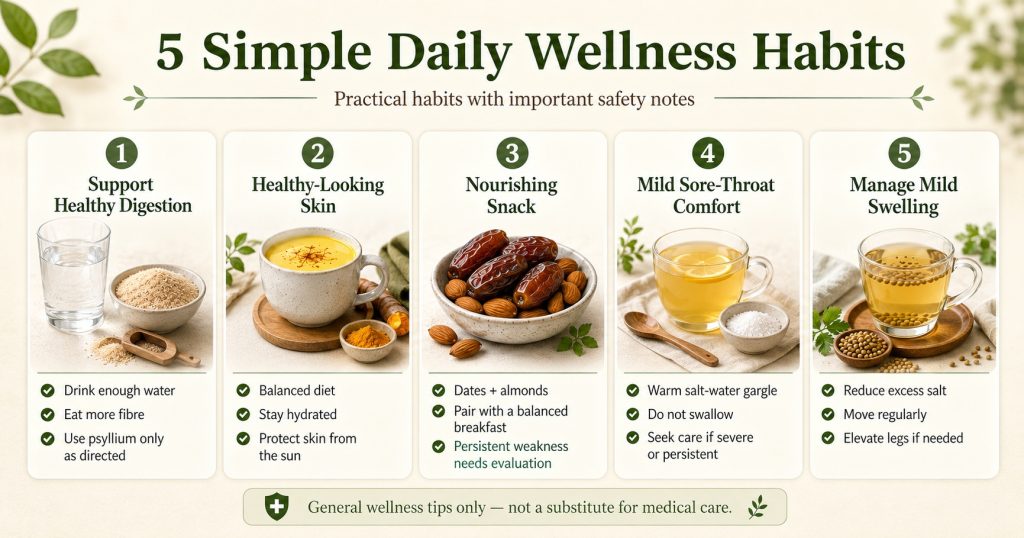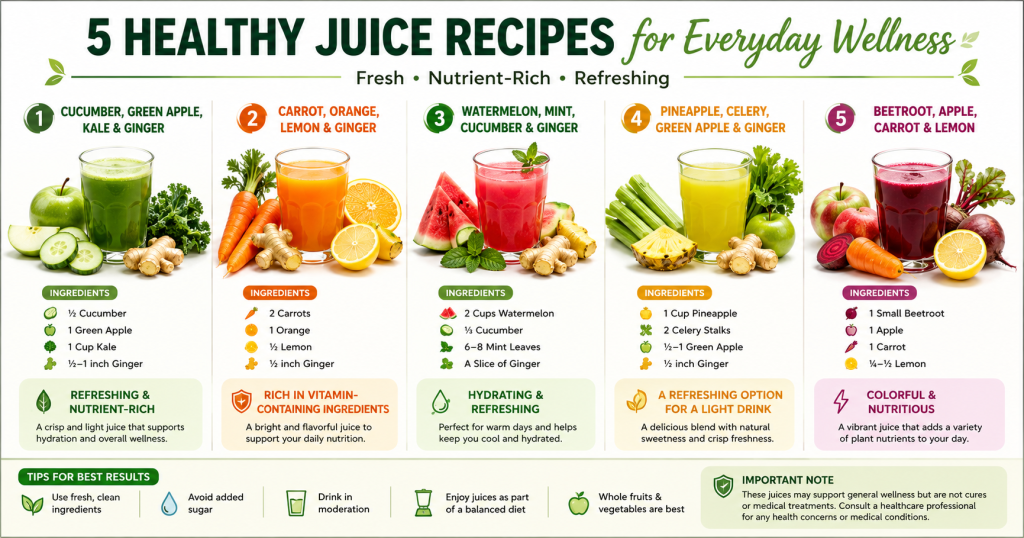
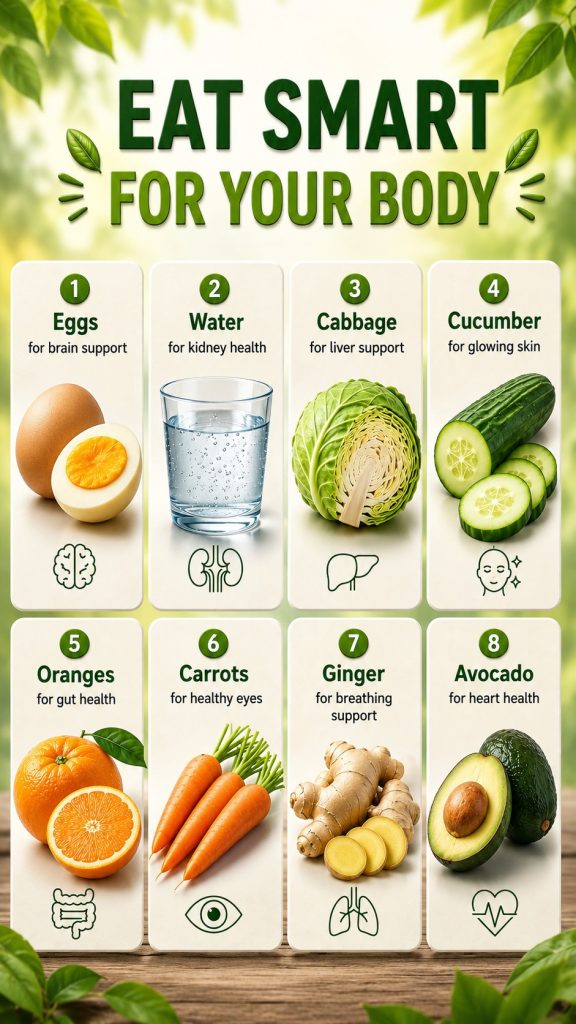
You have seen the graphic: a walnut next to a brain, a carrot slice next to an eye, a kidney bean next to a kidney. It is a memorable idea and it is wrong. Food does not target organs by resemblance. What these eight everyday foods actually do is supply specific nutrients in measurable amounts, and that is far more useful to know than which body part they look like.
So this guide gives you the numbers. One egg covers 27 percent of a day’s choline. Half a cup of raw carrot covers 51 percent of your vitamin A. One orange covers 78 percent of your vitamin C. Those figures tell you something real, and they also explain why no single food carries a diet on its own.
Medical Disclaimer: This article is educational and is not medical advice. If you have allergies, kidney or heart disease, diabetes, or a prescribed dietary restriction, follow the plan your healthcare team has given you. Read our medical disclaimer, editorial policy and fact checking policy.
Why Everyday Foods Beat Any Single Superfood
Nutrition research keeps landing on the same conclusion: patterns outperform ingredients. The Dietary Guidelines for Americans are built around overall eating patterns rather than a list of magic items, and the eating plans with the strongest outcome data, the Mediterranean and DASH patterns, are combinations rather than single foods.
There is a second reason the pattern wins, and it is the one most articles miss. What matters is usually not what you add but what the addition replaces. That principle runs through this entire list, and the avocado research below demonstrates it more clearly than anything else here.
The 8 Everyday Foods, With Actual Numbers
1. Eggs
Per large egg: 72 kcal, 6.3 g protein, 5 g fat, 147 mg choline.
Choline is the reason eggs earn a place, and it is a nutrient most people have never heard of. It is needed for cell membranes, the neurotransmitter acetylcholine, and liver fat transport. The adequate intake is 550 mg a day for men and 425 mg for women, and according to the NIH Office of Dietary Supplements, one hard boiled egg supplies 147 mg, or 27 percent of the daily value. Most people fall short, and eggs are the most practical way to close the gap.
- Myth to drop: eggs do not improve memory. Choline is required for normal brain function, which is not the same as enhancing it
- On cholesterol: the Dietary Guidelines removed the 300 mg daily cholesterol cap in 2015, since dietary cholesterol has less effect on blood cholesterol than once assumed. Individual advice still applies if your doctor has given you any
- What matters more: what you cook them in and serve them with, rather than the egg itself
2. Water
Target: about 3.7 litres of total water a day for men and 2.7 litres for women.
Two things get lost from that figure. It is total water, not glasses of plain water, and roughly 20 percent of it arrives in food. Tea, coffee, milk and soup all count.
- Myth to drop: drinking extra water does not flush or cleanse your kidneys. Healthy kidneys filter continuously and need no help
- Best move: swap a sugary drink rather than adding another glass. A 500 ml soft drink carries around 53 g of sugar
- Important exception: people with advanced kidney disease or heart failure may need to restrict fluid. Follow your own plan, not a general target
Since a fifth of your fluid comes from food, our list of the most hydrating foods ranked by water content is a useful companion.
3. Cabbage
Per 100 g raw: 25 kcal, 2.5 g fibre, 37 mg vitamin C, 76 mcg vitamin K.
Cabbage is the best value vegetable in most shops, and the vitamin C figure surprises people: 100 g delivers around 41 percent of the daily value, which is more per penny than almost anything else in the produce aisle. The vitamin K content, around 63 percent of the daily value, is also worth knowing.
- Myth to drop: cabbage does not detox the liver. Our guide to the best vegetables for liver health explains what the evidence actually supports
- Check first if: you take warfarin, since a sudden change in vitamin K intake affects it. Consistency matters more than avoidance
- Cooking tip: vitamin C is water soluble and heat sensitive, so shred it raw or cook it briefly
4. Cucumber
Per 100 g with skin: 15 kcal, about 95 percent water, 147 mg potassium.
Cucumber is close to the most water dense food you can buy, which makes it genuinely useful for adding bulk to a meal for almost no energy. Keep the skin, because that is where most of the fibre and vitamin K sit.
- Myth to drop: cucumber does not produce glowing skin or remove toxins. Skin responds to sleep, sun exposure, smoking, genetics and the whole diet, as our guide to anti aging foods for skin sets out
- Worth knowing: if you put slices in water, eat them afterwards. Drinking the water alone gives you almost none of the nutrition
5. Oranges
Per medium orange: 62 kcal, 70 mg vitamin C, 3.1 g fibre, 237 mg potassium.
That 70 mg is 78 percent of the daily value, and it covers the full adult requirement in one fruit, since the RDA is 90 mg for men and 75 mg for women. Smokers need an extra 35 mg a day.
The most practical thing about vitamin C is not immunity, it is iron. Vitamin C substantially increases absorption of non heme iron, the form in beans, lentils, spinach and fortified cereal. Eating an orange alongside a lentil dish does more measurable good than eating it hoping to avoid a cold.
- Myth to drop: vitamin C does not prevent colds in the general population. Regular intake may shorten one slightly, which is a much smaller claim
- Whole fruit over juice: a glass of juice can hold the sugar of three or four oranges with almost none of the 3.1 g of fibre
- Dental note: citrus is acidic, so avoid sipping juice across the morning
6. Carrots
Per half cup raw: 459 mcg RAE of vitamin A, which is 51 percent of the daily value.
Carrots supply beta carotene, which your body converts to vitamin A. The conversion is inefficient by design: it takes 12 mcg of dietary beta carotene to make 1 mcg RAE, which is exactly why beta carotene is safe in a way that preformed vitamin A supplements are not. Your body simply stops converting when it has enough.
- Myth to drop: carrots do not improve eyesight or remove the need for glasses. Vitamin A prevents deficiency related night blindness, which is a different thing entirely
- Absorption tip: carotenoids are fat soluble, so a little oil or a handful of nuts alongside meaningfully increases how much you take up
- Harmless side effect: a very high intake can tint the palms and soles orange. This is carotenaemia, and unlike jaundice it does not affect the whites of the eyes
7. Ginger
Studied dose: about 1,000 to 1,500 mg of dried ginger a day, in capsules.
Ginger has real evidence for one thing, nausea, and the best of it concerns pregnancy related nausea. Results are less consistent elsewhere. The important caveat is that trials used concentrated powder, and a slice grated into a curry delivers a small fraction of it.
- Myth to drop: ginger does not cleanse the lungs. Nothing you eat does
- Real everyday value: it adds strong flavour with no salt and no sugar, which is genuinely useful when reducing either
- Check first if: you take blood thinners, or you are pregnant and considering supplement doses
8. Avocado
Per half medium avocado, about 100 g: 160 kcal, 6.7 g fibre, 15 g fat mostly monounsaturated, 485 mg potassium.
Avocado has the strongest research of anything on this list, and it makes the article’s central point for it. A study in the Journal of the American Heart Association followed more than 110,000 people for 30 years. Those eating two or more servings a week had 16 percent lower cardiovascular disease risk and 21 percent lower coronary heart disease risk, with no association for stroke.
The finding that matters most is the substitution one. Replacing half a daily serving of butter, margarine, cheese, egg or processed meat with avocado was associated with 16 to 22 percent lower cardiovascular risk. The benefit is in the swap, not the addition. Spooning avocado on top of an unchanged diet is not what was studied.
- Worth knowing: 485 mg of potassium per 100 g beats a banana, which has about 358 mg
- Portion reality: half an avocado is 160 kcal, so use it in place of a fat rather than alongside one
- Caveat: this is observational research, so it shows association rather than proof
Nutrition at a Glance
| Food | Serving | Standout nutrient | What it is not |
|---|---|---|---|
| Egg | 1 large, 72 kcal | 147 mg choline, 27% DV | A memory booster |
| Water | 3.7 L men, 2.7 L women | Total water, 20% from food | A kidney cleanse |
| Cabbage | 100 g, 25 kcal | 37 mg vitamin C, 41% DV | A liver detox |
| Cucumber | 100 g, 15 kcal | 95 percent water | A skin treatment |
| Orange | 1 medium, 62 kcal | 70 mg vitamin C, 78% DV | Cold prevention |
| Carrot | Half cup raw | 459 mcg RAE, 51% DV | An eyesight fix |
| Ginger | 1 to 1.5 g dried | Nausea relief | A lung cleanse |
| Avocado | Half, 160 kcal | 6.7 g fibre, 485 mg potassium | Effective as an add on |
What the Organ Graphics Get Wrong
Nutrients do not get routed to the organ a food resembles. Choline from an egg is used by every cell in your body, not just neurons. Vitamin A from a carrot supports immune function, skin and reproduction alongside vision. Your bloodstream does not sort deliveries by destination.
The organ framing also does real harm in two ways. It encourages eating one food repeatedly instead of eating variety, and it quietly suggests that food substitutes for treatment. If you want a food matched to a specific concern, our guide to the best food for common health concerns does it by evidence rather than by shape, and our guide to the body’s natural detox system explains why cleanses are unnecessary.
Building the Pattern These Everyday Foods Belong To
The plate is a better unit than the ingredient.
- Half the plate non starchy vegetables: cabbage, carrot and cucumber all qualify and all cost little
- A quarter protein: eggs, fish, poultry, beans or lentils
- A quarter whole grains in place of refined ones
- A measured fat, such as half an avocado or a spoon of olive oil, replacing butter rather than joining it
- Fruit for something sweet, and water, tea or coffee to drink
Three habits outrank every food choice here: not smoking, moving regularly, and sleeping enough. For a broader food list organised by body system, see our guide to 30 foods for heart, liver, brain and gut health.
Frequently Asked Questions
What are the best everyday foods to eat for health?
There is no single best food. Eggs supply 147 mg of choline per large egg, one orange covers 78 percent of your daily vitamin C, half a cup of raw carrot covers 51 percent of your vitamin A, and half an avocado provides 6.7 g of fibre. The benefit comes from combining them across a varied pattern rather than relying on any one.
Do carrots really improve your eyesight?
No. Carrots supply beta carotene, which your body converts to vitamin A, and adequate vitamin A prevents deficiency related night blindness. That is not the same as improving normal vision or reducing the need for glasses. Half a cup of raw carrot provides 459 mcg RAE, about 51 percent of the daily value.
How many eggs a day is safe to eat?
For most healthy adults, one or two a day fits comfortably within a balanced diet. The Dietary Guidelines removed the 300 mg daily cholesterol limit in 2015 because dietary cholesterol affects blood cholesterol less than was once believed. If you have been given individual advice about cholesterol or heart disease, follow that instead.
Does cabbage detox the liver?
No. The liver detoxifies continuously and needs no help from a vegetable. Cabbage is genuinely worth eating for other reasons: 100 g provides about 37 mg of vitamin C, roughly 41 percent of the daily value, plus fibre and vitamin K, at a very low cost.
How much water should I drink each day?
Adequately hydrated adults take in roughly 3.7 litres of total water a day for men and 2.7 litres for women. That is total water from all sources, with about 20 percent coming from food. Thirst is a reasonable guide for most healthy adults. Anyone with advanced kidney disease or heart failure should follow their prescribed fluid limit instead.
Is avocado good for your heart?
The evidence is encouraging. A 30 year study of over 110,000 people found that eating two or more servings a week was associated with 16 percent lower cardiovascular disease risk. The more useful finding is that swapping half a daily serving of butter, cheese, egg or processed meat for avocado was linked to 16 to 22 percent lower risk. The benefit lies in the substitution, and the research is observational.
Why is choline in eggs important?
Choline is needed for cell membranes, the neurotransmitter acetylcholine, and moving fat out of the liver. The adequate intake is 550 mg a day for men and 425 mg for women, and most people fall short. One hard boiled egg supplies 147 mg, about 27 percent of the daily value, making eggs the most practical dietary source.
Is whole fruit better than fruit juice?
Yes, for most purposes. A medium orange gives you 3.1 g of fibre alongside 70 mg of vitamin C. A glass of juice can contain the sugar of three or four oranges with almost none of the fibre, and it is consumed far more quickly. Eat the fruit and drink water.
Does ginger clean your lungs?
No, and no food does. Ginger has reasonable evidence for nausea, particularly in pregnancy, though trials used 1,000 to 1,500 mg of dried ginger in capsules rather than culinary amounts. Its genuine everyday value is adding strong flavour without salt or sugar.
Can eating one healthy food make up for a poor diet?
No. Nutrition research consistently finds that overall eating patterns predict health outcomes far better than individual foods. Adding one item while everything else stays the same rarely changes much. What usually matters is what the new food replaces.
Related reading: see also our 20 nutrient rich foods that support overall health and 15 water rich foods that support hydration.
Final Thoughts
These eight everyday foods are worth eating, and now you know precisely why. Eggs for choline at 147 mg each. Oranges for 78 percent of your vitamin C. Carrots for 51 percent of your vitamin A. Cabbage for cheap vitamin C and fibre. Avocado for fibre, potassium and the best cardiovascular data on the page. Water, cucumber and ginger for hydration, volume and flavour.
What none of them does is target an organ or repair one. The avocado research shows the real mechanism plainly: the benefit came from replacing butter, cheese and processed meat, not from adding avocado to a diet that stayed the same. Choose one swap you can keep, then let the pattern do the work.
Edited by Dr. Obeydur Rahman, MBBS, MD in Medicine.